How to Start a Vegetable Garden: A Complete Beginner's Guide
Learn the essential steps to start your first vegetable garden, from choosing the right location to harvesting your first crops. Perfect for beginners.
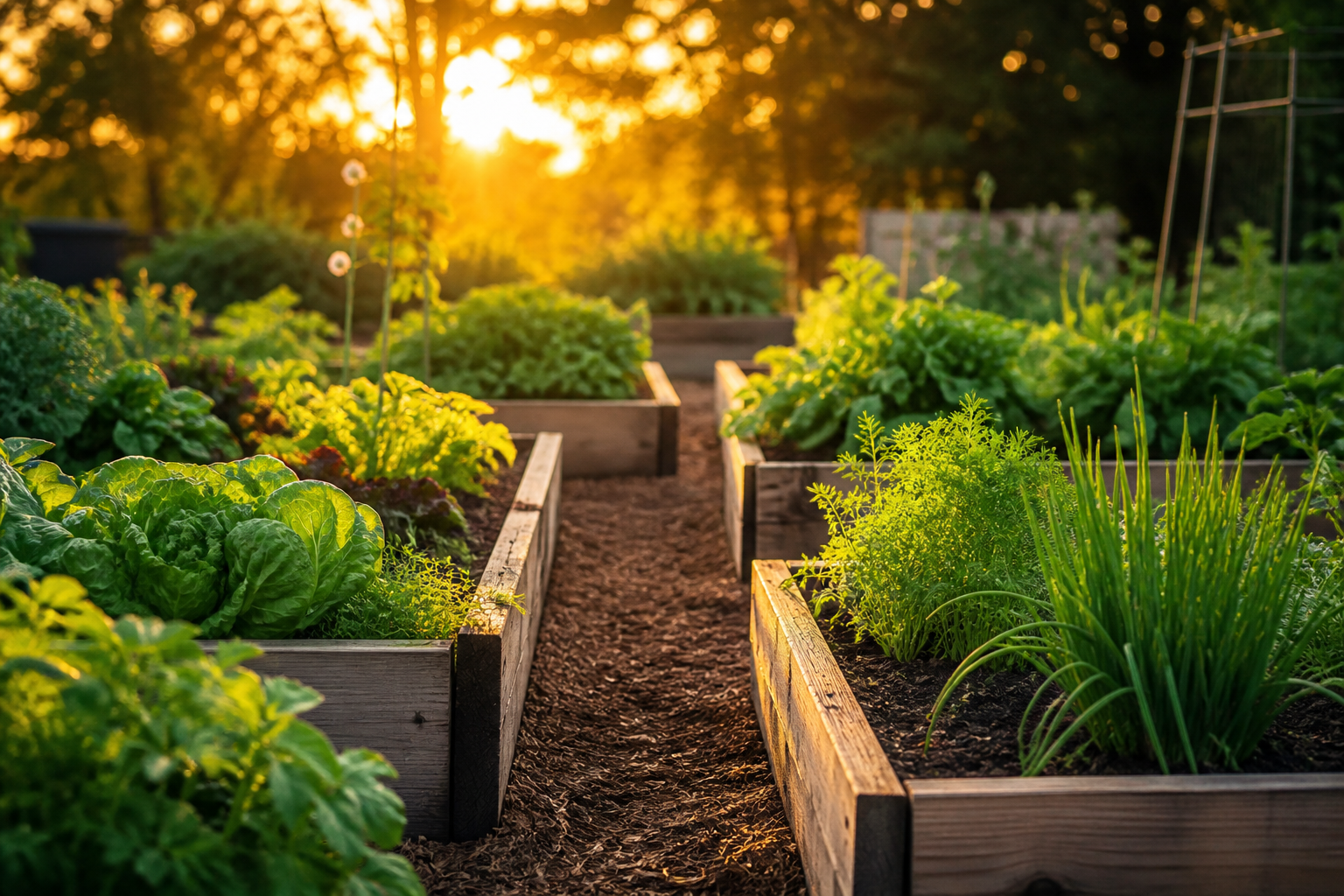
Starting your first vegetable garden is easier than you think. With the right preparation and a few basic techniques, you’ll be harvesting fresh produce in just a few months. Here’s everything you need to know to get started.
Choose the Right Location
The first and most important decision is where to place your garden. Most vegetables need at least 6-8 hours of direct sunlight daily. Scout your yard throughout the day to find the sunniest spot.
Other factors to consider:
- Water access: Keep your garden close to a water source. Hauling hoses long distances gets old fast.
- Drainage: Avoid low spots where water pools after rain. Vegetables don’t like “wet feet.”
- Flat ground: A level area is easier to work with than a slope.
- Proximity to your house: The closer, the more likely you’ll tend it regularly.
Start Small
The biggest mistake beginners make is planting too much too soon. A well-maintained 4x8 foot bed will produce more food than a neglected 20x20 foot plot.
Start with a 4x8 or 4x10 foot raised bed, or a similar-sized plot. You can always expand next year once you’ve learned the basics.
Prepare the Soil
Good soil is the foundation of a productive garden. Most vegetables thrive in loose, well-draining soil rich in organic matter.
Here’s how to prepare your bed:
- Remove grass and weeds: Use a shovel or rent a sod cutter for larger areas.
- Loosen the soil: Dig or till 8-12 inches deep to break up compacted earth.
- Add compost: Mix in 2-4 inches of compost or aged manure to improve soil structure and fertility.
- Level and smooth: Rake the surface level before planting.
If your native soil is poor, consider building raised beds filled with a quality garden soil mix. This gives you complete control over growing conditions.
Choose Easy Vegetables
For your first garden, stick with beginner-friendly crops that are hard to mess up:
- Tomatoes: Support them with cages or stakes. Cherry tomatoes are especially productive.
- Lettuce: Fast-growing and tolerates some shade. Plant every 2 weeks for continuous harvest.
- Radishes: Ready in just 3-4 weeks. Great for impatient beginners.
- Zucchini: One plant produces more than most families can eat.
- Beans: Bush varieties don’t need trellising and produce heavily.
- Herbs: Basil, cilantro, and parsley grow quickly and boost any meal.
Avoid finicky crops like cauliflower or melons until you’ve gained some experience.
Plant at the Right Time
Timing matters in gardening. Some vegetables prefer cool weather, while others need warm soil.
Cool-season crops (plant in early spring or fall):
- Lettuce, spinach, peas, broccoli, carrots, radishes
Warm-season crops (plant after last frost):
- Tomatoes, peppers, squash, cucumbers, beans, corn
Check your local frost dates and use them as planting guides. Your county extension office can provide specific dates for your area.
Water Consistently
Inconsistent watering is the downfall of many beginner gardens. Most vegetables need about 1 inch of water per week, either from rain or irrigation.
Best practices:
- Water deeply, not frequently: Deep watering encourages strong root growth.
- Water in the morning: Reduces disease risk and water loss from evaporation.
- Use mulch: A 2-3 inch layer of mulch conserves moisture and suppresses weeds.
- Check soil moisture: Stick your finger 2 inches into the soil. If it’s dry, water.
Feed Your Plants
Vegetables are heavy feeders and benefit from regular fertilizing. Here are two approaches:
Organic approach: Side-dress plants with compost every 4-6 weeks, or use liquid fish emulsion every 2 weeks.
Conventional approach: Use a balanced vegetable fertilizer (like 10-10-10) according to package directions.
Control Pests and Weeds
Check your garden every few days for problems. Early intervention prevents small issues from becoming disasters.
For pests:
- Hand-pick large pests like caterpillars and beetles
- Spray soft-bodied pests (aphids) off with water
- Use row covers to exclude flying insects
For weeds:
- Pull them young before they set seed
- Mulch prevents most weed seeds from germinating
- Hand-pull or hoe weekly to stay ahead
Harvest Regularly
Most vegetables taste best when harvested young and tender. Plus, frequent harvesting encourages more production.
General harvesting tips:
- Pick tomatoes when fully colored but still firm
- Harvest lettuce leaves from the outside, leaving the center to grow
- Cut herbs frequently to encourage bushier growth
- Pick zucchini at 6-8 inches (they grow fast!)
Learn and Improve
Every garden teaches lessons. Keep notes on what worked, what didn’t, and what you want to try next year. Gardening skills develop with practice.
Don’t get discouraged by failures — even experienced gardeners lose crops to pests, weather, or timing mistakes. Celebrate your successes and learn from the rest.
Your First Season Action Plan
Ready to start? Here’s a simple first-season plan:
- This weekend: Choose your garden spot and measure for a 4x8 bed
- Week 1: Build or prepare your bed and add soil/compost
- Week 2: Plant easy crops: lettuce, radishes, cherry tomatoes, and basil
- Ongoing: Water deeply 2-3 times per week, pull weeds, and harvest regularly
Start simple, stay consistent, and you’ll be amazed at what you can grow. Welcome to gardening!