Common Garden Pests: Identification and Natural Control Methods
Learn to identify and control the most common garden pests using natural, effective methods. Protect your plants without harsh chemicals.
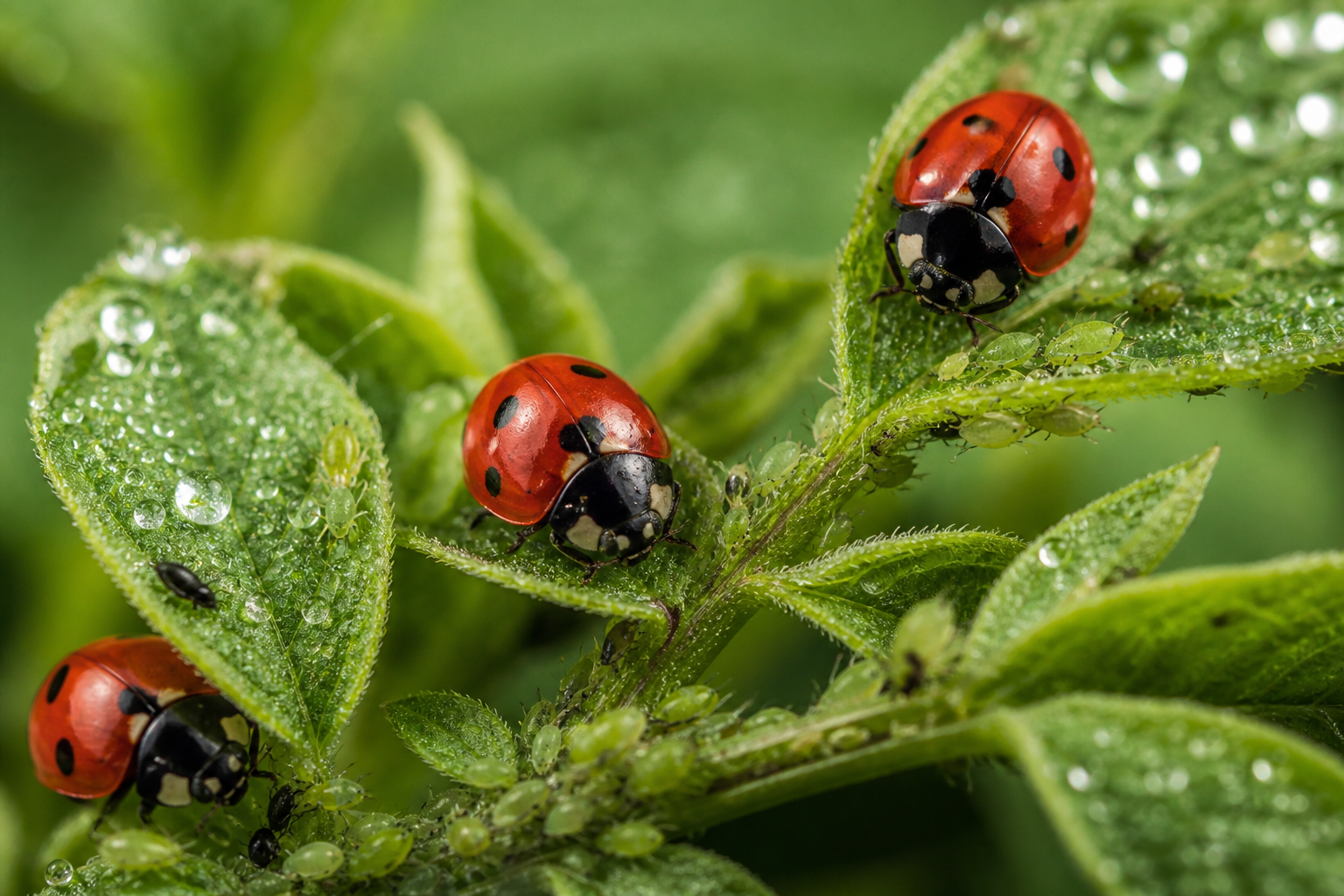
Garden pests are inevitable, but they don’t have to ruin your harvest. Learn to identify the most common culprits and control them using natural methods that protect beneficial insects and the environment.
Aphids: Tiny Sap Suckers
What they look like: Soft-bodied insects 1-3mm long, usually green, but can be black, brown, yellow, or pink. Cluster on new growth and undersides of leaves.
Damage signs:
- Curled, yellowing leaves
- Sticky honeydew on leaves (attracts ants and sooty mold)
- Stunted plant growth
- Distorted new shoots
Natural controls:
- Spray with water: A strong stream from the hose dislodges aphids. They rarely climb back up.
- Encourage ladybugs: Ladybugs and their larvae devour aphids. Plant flowers to attract them.
- Insecticidal soap: Safe, effective spray for heavy infestations. Apply to undersides of leaves.
- Neem oil: Disrupts aphid feeding and reproduction.
Prevention: Avoid over-fertilizing with nitrogen, which creates tender new growth that aphids love.
Tomato Hornworms: The Stealth Caterpillars
What they look like: Huge green caterpillars (3-4 inches) with white diagonal stripes and a horn on their rear. Excellent camouflage makes them hard to spot.
Damage signs:
- Stripped branches with only stems remaining
- Dark green or black droppings on leaves
- Rapid, severe defoliation
Natural controls:
- Hand-picking: Check plants in early morning or evening. Drop hornworms in soapy water.
- Bt (Bacillus thuringiensis): Organic bacterial spray harmless to humans but deadly to caterpillars.
- Leave parasitized hornworms: If you see white cocoons on a hornworm’s back, leave it. Beneficial parasitic wasps are emerging.
Prevention: Till soil in fall to destroy pupae. Plant marigolds and basil nearby to deter adult moths.
Cabbage Worms: Leaf Munchers
What they look like: Velvety green caterpillars about 1 inch long. Adult form is a white butterfly with black spots.
Damage signs:
- Irregular holes in leaves (especially cabbage, broccoli, kale)
- Green droppings on leaves
- Center of plants may be damaged
Natural controls:
- Row covers: Floating covers exclude butterflies entirely. Most effective prevention.
- Hand-picking: Check daily and remove worms and eggs (yellow, oval, on undersides of leaves).
- Bt spray: Organic and highly effective against cabbage worms.
Prevention: Check transplants carefully before planting — you may be introducing pests.
Squash Bugs: Sap Feeders
What they look like: Gray-brown insects about 5/8 inch long with flat backs. Nymphs are gray with black legs.
Damage signs:
- Yellow spots on leaves that turn brown
- Wilting vines despite adequate water
- Leaves may turn black and crispy
Natural controls:
- Egg removal: Check undersides of leaves weekly for bronze-colored egg clusters. Scrape them off.
- Trap with boards: Place boards near plants overnight. Squash bugs hide underneath; crush them in the morning.
- Neem oil: Spray young nymphs; adults are harder to kill.
Prevention: Remove plant debris promptly after harvest. Adult squash bugs overwinter in garden trash.
Slugs and Snails: Night Feeders
What they look like: Soft-bodied mollusks that leave silvery slime trails. Most active at night or on cloudy, rainy days.
Damage signs:
- Irregular holes in leaves and fruit
- Seedlings disappear overnight
- Slime trails on plants and soil
Natural controls:
- Beer traps: Bury shallow containers filled with beer. Slugs are attracted, fall in, and drown.
- Diatomaceous earth: Sprinkle around plants. Sharp particles damage soft slug bodies.
- Hand-picking: Hunt with a flashlight after dark. Drop in soapy water.
- Copper tape: Creates mild electric shock that slugs won’t cross. Wrap around containers or raised beds.
Prevention: Reduce hiding spots by removing boards, pots, and debris. Water in morning so soil surface dries by evening.
Japanese Beetles: Voracious Eaters
What they look like: Metallic green and copper beetles about 1/2 inch long. Skeletonize leaves, eating everything but veins.
Damage signs:
- Lacy, skeletonized leaves
- Large groups feeding together
- Flowers eaten
Natural controls:
- Hand-picking: Knock beetles into soapy water in early morning when they’re sluggish.
- Neem oil: Deters feeding and disrupts reproduction.
- Beneficial nematodes: Apply to lawn in spring to kill grubs (beetle larvae).
Prevention: Avoid beetle traps — they attract more beetles than they catch, making the problem worse.
Spider Mites: Nearly Invisible Damage
What they look like: Tiny (0.5mm) spider-like pests barely visible to naked eye. Fine webbing on leaves is a telltale sign.
Damage signs:
- Stippled, yellowing leaves
- Fine webbing between leaves and stems
- Leaves may bronze or drop
- Thrives in hot, dry conditions
Natural controls:
- Water spray: Mist undersides of leaves daily to discourage mites and wash them off.
- Insecticidal soap: Very effective against soft-bodied mites.
- Predatory mites: Release beneficial mites that eat spider mites.
Prevention: Keep plants well-watered and humidity high. Drought-stressed plants are most susceptible.
Integrated Pest Management Strategy
Don’t reach for pesticides as your first response. Use this IPM approach:
1. Monitor regularly: Walk your garden every few days. Catch problems early.
2. Identify correctly: Make sure you know what you’re dealing with. Not all insects are pests.
3. Set tolerance levels: A few pests won’t destroy your garden. Intervention isn’t always necessary.
4. Start with least toxic methods: Try physical removal, barriers, and encouraging natural predators first.
5. Use targeted solutions: If needed, choose specific treatments (like Bt for caterpillars) rather than broad-spectrum insecticides.
Encourage Beneficial Insects
Your best long-term pest control is a healthy population of beneficial insects:
Ladybugs: Eat aphids, scale, and small caterpillars
Lacewings: Larvae consume aphids, mites, and small caterpillars
Ground beetles: Hunt slugs, caterpillars, and other soil-dwelling pests
Parasitic wasps: Lay eggs in pests like hornworms and aphids
How to attract them:
- Plant flowers: Alyssum, yarrow, dill, fennel, and cosmos
- Provide water: Shallow dishes with stones for landing spots
- Avoid broad-spectrum pesticides: These kill beneficials along with pests
- Leave some habitat: Native plants and undisturbed areas give them shelter
When to Take Action
Not every pest requires intervention. Use these guidelines:
Act immediately if:
- Pests are rapidly defoliating plants
- You see hornworms or large caterpillars
- Disease-spreading pests (aphids) are present in large numbers
Monitor and wait if:
- Damage is light and cosmetic
- Beneficial insects are present
- Plants are growing vigorously despite minor pest pressure
Remember: A few chewed leaves don’t mean failure. Healthy gardens support diverse life, including some pests. Your goal is balance, not pest-free perfection.
The Bottom Line
Successful pest management combines prevention, monitoring, and targeted natural controls. Build healthy soil, encourage beneficial insects, and intervene early with the least toxic methods.
Most importantly, don’t panic at the first sign of a pest. Observe, identify, and choose appropriate controls. Your garden — and the environment — will be healthier for it.