How to Grow Perfect Tomatoes: A Beginner's Guide
Master tomato growing with this complete guide covering varieties, planting, care, and harvesting. Get huge, delicious tomatoes all summer long.
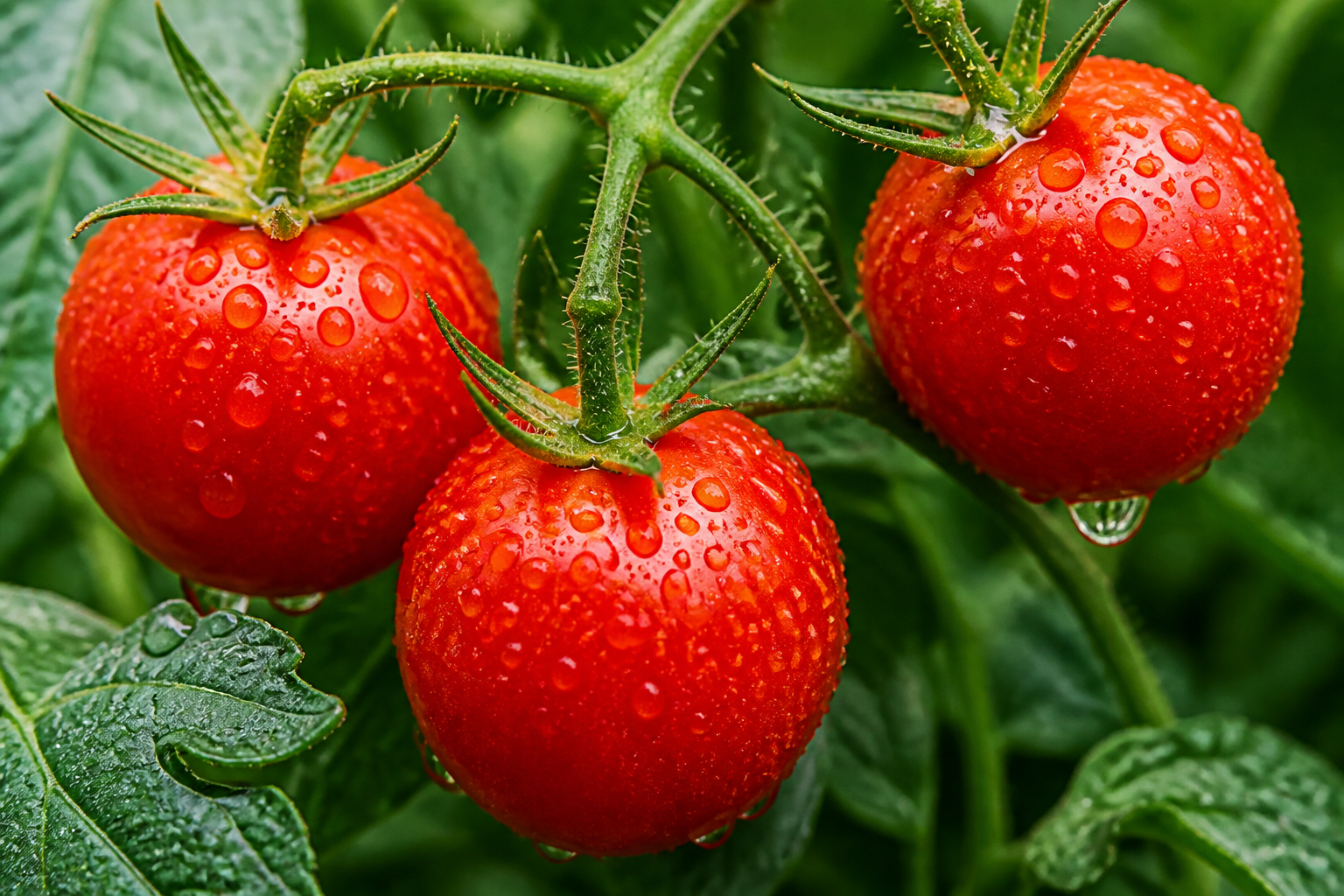
Tomatoes are the most popular garden vegetable for good reason — nothing beats the flavor of a sun-warmed, homegrown tomato. Here’s everything you need to know to grow a bumper crop.
Choose the Right Varieties
Tomatoes come in two growth habits with hundreds of varieties in each:
Determinate (Bush) Tomatoes
- Grow 3-4 feet tall, then stop
- Produce most fruit in a 2-3 week window
- Don’t require extensive staking
- Good for canning and making sauce
Best varieties: Roma, Celebrity, Mountain Fresh
Indeterminate (Vining) Tomatoes
- Grow 6-8+ feet tall throughout the season
- Produce fruit continuously until frost
- Require substantial support
- Best for fresh eating
Best varieties: Big Beef, Brandywine, Cherokee Purple, Sun Gold (cherry)
Best Beginner Choices
For guaranteed success, start with these foolproof varieties:
- Sun Gold (cherry): Incredibly sweet, disease-resistant, produces like crazy
- Big Beef: Classic slicing tomato, reliable production, good flavor
- Roma: Best paste tomato, heavy producer, determinate
- Cherokee Purple: Amazing flavor, beautiful dusky color, heirloom
Starting Plants
From transplants (easier for beginners):
- Buy stocky, dark green plants 6-10 inches tall
- Avoid tall, leggy plants or those with yellowing leaves
- Check for pests before buying
- Harden off for 7-10 days before planting if from greenhouse
From seed (more variety):
- Start indoors 6-8 weeks before last frost
- Use seed-starting mix and bottom heat (70-80°F)
- Provide strong light (grow lights or sunny south window)
- Transplant to larger pots when 2-3 inches tall
Planting for Success
Timing: Wait until after your last frost date. Tomatoes are frost-tender and hate cold soil. Wait for soil temperatures above 60°F (ideally 70°F).
Site selection:
- Full sun (8+ hours daily)
- Well-draining soil
- Good air circulation
- Not where tomatoes, peppers, or potatoes grew last year
Planting technique:
- Dig a hole twice as wide as the root ball
- Add compost to the planting hole
- Remove lower leaves from the transplant
- Plant deeply: Bury 2/3 of the stem. Buried stem develops additional roots.
- Water thoroughly after planting
- Add mulch (not touching stem) to conserve moisture
Spacing:
- Determinate: 2-3 feet apart
- Indeterminate: 3-4 feet apart
- In containers: One plant per 5-gallon pot minimum
Support Systems
Tomatoes need support to keep fruit off the ground and improve air circulation.
Cages:
- Good for determinate varieties
- Choose sturdy cages at least 5 feet tall
- Place at planting time to avoid root damage
Stakes:
- Best for indeterminate varieties
- Use 6-8 foot stakes, driven 12 inches deep
- Tie stem to stake every 12 inches with soft ties
- Requires regular tying and pruning
Trellises:
- Good for intensive plantings
- Can be wire panels, string, or wood
- Provides excellent air circulation
Watering Correctly
Consistent watering prevents problems like blossom end rot and cracking.
Best practices:
- Water deeply 2-3 times per week (not daily)
- Soil should stay consistently moist but not waterlogged
- Water at soil level, not overhead (reduces disease)
- Aim for 1-2 inches per week, including rain
- Mulch to retain moisture and prevent soil splash
Signs of trouble:
- Cracking fruit: Inconsistent watering
- Blossom end rot (dark sunken spot): Calcium deficiency caused by irregular water
- Wilting in afternoon: Normal unless severe; check soil before watering
Fertilizing
Tomatoes are heavy feeders and need regular nutrients.
At planting:
- Mix compost into planting hole
- Add slow-release fertilizer according to package directions
During growth:
- Side-dress with compost every 4 weeks, OR
- Use diluted liquid fertilizer (fish emulsion, compost tea) every 2 weeks
- Reduce nitrogen when plants start flowering (too much nitrogen = leafy plants, few fruit)
Look for fertilizers:
- Lower first number (nitrogen): 5-10-10 or similar
- Higher phosphorus (middle number) encourages flowering and fruiting
Pruning and Maintenance
For indeterminate varieties:
Remove suckers (shoots growing between main stem and branches):
- Pinch small suckers weekly
- Removes energy drains and improves air flow
- Focus fruit production on main stems
For determinate varieties:
- Minimal pruning needed
- Remove only damaged or diseased leaves
All varieties:
- Remove bottom leaves touching soil (reduces disease)
- Prune for air circulation if plants are dense
- Remove leaves below first fruit cluster once fruit sets
Common Problems and Solutions
Blossom end rot:
- Dark, sunken spot on bottom of fruit
- Cause: Calcium deficiency from inconsistent watering
- Fix: Water consistently, add mulch
Cracking fruit:
- Splits in skin, often after rain
- Cause: Rapid water uptake after dry period
- Fix: Harvest slightly early, maintain consistent moisture
Yellowing leaves:
- Bottom leaves turn yellow and drop
- Cause: Nitrogen deficiency or natural aging
- Fix: Add nitrogen if affecting whole plant; bottom leaf yellowing is normal
Few flowers/fruit:
- Lots of growth but no tomatoes
- Cause: Too much nitrogen, temperatures too high/low
- Fix: Reduce nitrogen, be patient if temperatures are extreme (below 55°F or above 95°F)
Pest Management
Common tomato pests:
Hornworms: Large green caterpillars
- Hand-pick or use Bt (organic caterpillar control)
Aphids: Small soft-bodied insects on new growth
- Spray off with water or use insecticidal soap
Whiteflies: Tiny white flying insects
- Yellow sticky traps and insecticidal soap
Early/Late Blight: Fungal diseases causing dark spots on leaves
- Remove affected leaves, improve air circulation, avoid overhead watering
- Apply copper fungicide if severe
Harvesting
When to pick:
- Color: Full red (or variety’s mature color)
- Feel: Slightly soft but still firm
- Timing: Pick when fully colored but before soft
Harvesting tips:
- Pick regularly to encourage more production
- Gently twist or cut stem to avoid damaging plant
- Harvest before first frost; green tomatoes ripen indoors
- Don’t refrigerate — cold destroys flavor
Ripening indoors:
- Place green tomatoes in paper bag with banana
- Keep at room temperature
- Check daily and remove as they ripen
Container Growing
Don’t have garden space? Tomatoes grow excellently in pots.
Container requirements:
- Minimum 5-gallon pot (larger is better)
- Drainage holes essential
- Quality potting soil (not garden soil)
- Wheeled base for easy moving
Best varieties for containers:
- Cherry tomatoes (Sun Gold, Sweet 100)
- Patio varieties (Patio Princess, Tiny Tim)
- Determinate varieties
Care adjustments:
- Water more frequently (daily in hot weather)
- Fertilize more often (nutrients leach out faster)
- Provide stake or cage for support
Extending the Season
Early season:
- Use black plastic mulch to warm soil
- Add cloches or row covers for frost protection
- Choose early varieties (50-65 days to harvest)
Late season:
- Cover plants when frost threatens
- Harvest all fruit before hard freeze
- Ripen green tomatoes indoors
Your First Tomato Action Plan
Week before planting:
- Choose 2-3 varieties
- Buy or make sturdy cages/stakes
- Prepare planting area with compost
Planting day:
- Plant deeply, burying 2/3 of stem
- Install support immediately
- Water thoroughly and add mulch
Weekly care:
- Water deeply 2-3 times per week
- Check for pests and diseases
- Remove suckers on indeterminate varieties
- Fertilize every 2 weeks
Harvest time (60-90 days after planting):
- Check plants daily during peak season
- Pick when fully colored
- Enjoy the best tomatoes of your life!
The Bottom Line
Great tomatoes come from consistent care: plenty of sun, steady water, regular feeding, and good support. Choose reliable varieties, plant them right, and maintain them weekly.
Your first homegrown tomato will make every bit of effort worthwhile. Start with a few plants, learn what works in your garden, and expand from there. Happy growing!