Fall Vegetable Garden Planting Guide: What to Plant and When
Discover the best vegetables for fall planting and extend your harvest into winter. Complete timing guide with varieties and care tips.
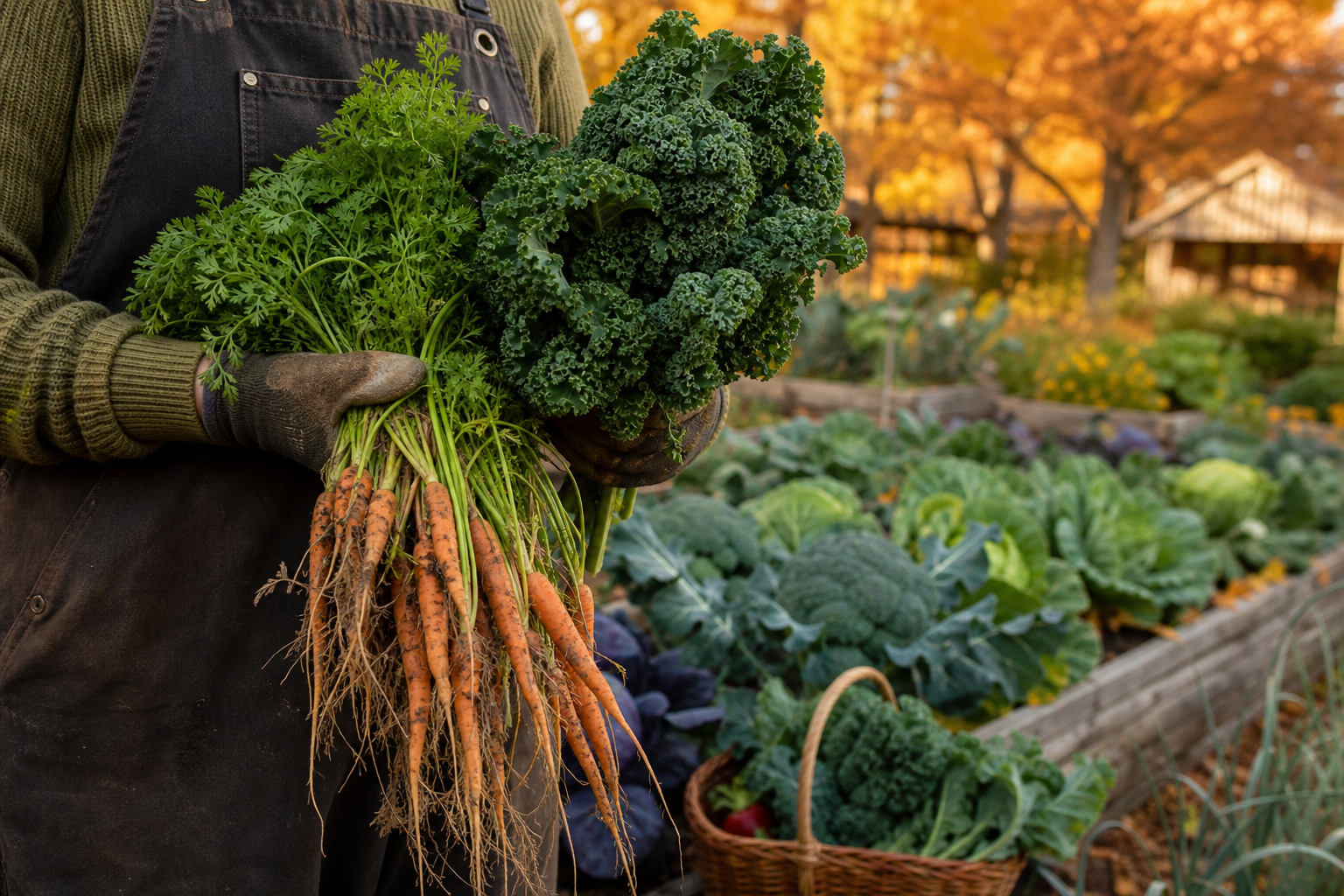
Fall gardens often outperform summer gardens with cooler temperatures, fewer pests, and sweeter-tasting crops. Extend your harvest season by months with smart fall planting.
Why Plant a Fall Garden?
Fall gardening offers unique advantages:
Cooler temperatures: Plants thrive in moderate weather without summer heat stress
Fewer pests: Most garden pests decline as temperatures drop
Better flavor: Cool weather improves taste in many vegetables (especially greens and root crops)
Extended harvest: Enjoy fresh vegetables well into fall and early winter
Higher success rate: Easier than summer gardening in many regions
When to Plant for Fall Harvest
Work backwards from your first frost date to determine planting times. Each crop needs a certain number of days to mature before frost.
Find your first fall frost date:
- Check your USDA hardiness zone
- Ask local extension office
- Use online calculators
Calculate planting date:
- Days to maturity (from seed packet) + 2 weeks (for shorter fall days) = days before frost to plant
Example: If your first frost is October 15 and you want to grow lettuce (60 days to maturity):
- 60 days + 14 days = 74 days before October 15
- Plant lettuce around August 1-5
Best Vegetables for Fall Planting
Cool-Season Champions
These crops prefer cooler weather and taste better after light frost:
Leafy Greens (30-60 days):
- Lettuce: Fast-growing, continuous harvest
- Spinach: Incredibly cold-hardy, overwinters in many zones
- Kale: Sweetens after frost, very hardy
- Arugula: Spicy greens ready in 30-40 days
- Asian greens: Bok choy, mizuna, tatsoi
Brassicas (50-80 days):
- Broccoli: Plant transplants in late summer
- Cabbage: Matures slowly, very cold-hardy
- Cauliflower: Needs steady cool weather
- Brussels sprouts: Sweetest after frost
- Collards: Extremely hardy, harvest into winter
Root Vegetables (50-70 days):
- Radishes: Ready in 25-30 days, plant every 2 weeks
- Carrots: Sweeter with cool weather
- Beets: Grow roots and greens
- Turnips: Mild flavor after frost
Alliums (60-90 days for green onions, plant garlic in fall):
- Green onions: Continuous harvest
- Garlic: Plant cloves in fall, harvest next summer
- Leeks: Very cold-hardy
Legumes (50-70 days):
- Peas: Sweet, tender fall peas
- Fava beans: Overwinter in mild climates
Planting Timeline by Region
Cold Climates (Zones 3-5)
Mid to Late July:
- Lettuce, spinach, arugula, radishes
- Fast-growing greens for early fall harvest
Early August:
- Kale, chard, turnips, beets
- These mature before hard frost
Late August/Early September:
- Garlic (plant cloves 4-6 weeks before ground freezes)
Moderate Climates (Zones 6-7)
Late July/Early August:
- Broccoli, cauliflower, cabbage (transplants)
- Carrots, beets, turnips (direct seed)
Mid-August:
- Lettuce, spinach, arugula
- Asian greens, radishes
September:
- Garlic
- Overwintering crops with protection
October:
- Cover crops to improve soil
Warm Climates (Zones 8-10)
August/September:
- Most cool-season crops
- Summer is too hot; wait for cooling temperatures
October/November:
- Lettuce, greens, herbs
- Second planting as temperatures moderate
November/December:
- Garlic, onion sets
- Many crops grow through winter
Step-by-Step Fall Garden Setup
1. Choose Your Location
Use the same beds where summer crops grew, or start fresh areas:
- Full sun (at least 6 hours, though fall sun is less intense)
- Good drainage
- Easy access for fall and winter harvesting
2. Prepare the Soil
Fall garden prep is easier than spring:
- Remove spent summer crops
- Pull any weeds
- Add 1-2 inches of compost
- Till or turn in amendments
- Rake smooth and level
Soil test: Fall is a great time to test soil and add amendments (lime, sulfur) for next spring.
3. Plant at the Right Depth
Direct seeding:
- Plant slightly deeper than spring planting (soil is drier)
- Carrots, radishes, turnips, beets: ¼-½ inch deep
- Peas, beans: 1 inch deep
- Lettuce, greens: ¼ inch deep or surface sow
Transplants:
- Broccoli, cabbage, cauliflower: Plant deeper than spring (plants grow sturdier)
- Water transplants well and shade for first few days
4. Water Consistently
Fall planting often coincides with hot, dry late-summer weather:
- Keep soil consistently moist until germination
- Water deeply 2-3 times per week
- Reduce watering as weather cools
- Monitor soil moisture; fall rains may provide enough water
5. Protect from Heat
If planting during hot weather:
- Use shade cloth for first 2 weeks
- Water more frequently until established
- Plant in late afternoon or evening
- Mulch lightly to keep soil cool
Extending the Harvest
Frost Protection
Light frost (28-32°F) damages tender crops but cool-season vegetables tolerate it well. Extend harvest with simple protection:
Row covers:
- Lightweight fabric adds 2-4°F protection
- Covers lettuce, spinach, greens
- Easy to put on and remove
- Lasts multiple seasons
Cold frames:
- Bottomless boxes with transparent lids
- Creates a mini-greenhouse
- Adds 10-20°F of protection
- Build from old windows or buy kits
Hoop houses/low tunnels:
- PVC or wire hoops covered with plastic or row cover
- Protects whole rows
- Walk-in hoop houses protect large areas
Cloches:
- Individual plant covers
- Use for prized plants
- Make from milk jugs, jars, or buy commercial versions
Deep mulch:
- Cover root crops with 8-12 inches of straw or leaves
- Keeps ground from freezing
- Harvest carrots, beets, and parsnips all winter (dig through mulch)
Succession Planting
Sow small amounts every 10-14 days for continuous harvest:
Perfect for succession planting:
- Lettuce
- Radishes
- Arugula
- Spinach
- Green onions
Plant from mid-summer through early fall (depends on your zone).
Harvesting Fall Vegetables
Frost-sweetened vegetables (harvest after light frost):
- Kale, collards, Brussels sprouts, parsnips, carrots
- Frost converts starches to sugars
Before hard freeze (harvest before temperatures drop below 25°F):
- Lettuce, arugula (unless protected)
- Root vegetables (or mulch heavily)
- Cabbage, broccoli
Continuous harvest:
- Lettuce: Pick outer leaves, let center grow
- Kale, chard: Harvest outer leaves
- Green onions: Pull as needed
- Spinach: Cut and come again
Top Fall Varieties
Lettuce:
- Winter Density: Cold-hardy romaine
- Arctic King: Butterhead that tolerates frost
- Salad Bowl: Fast-growing loose leaf
Kale:
- Winterbor: Extremely hardy
- Lacinato (Dinosaur): Dark blue-green, great flavor
- Red Russian: Beautiful and tasty
Spinach:
- Bloomsdale: Heirloom, cold-hardy
- Space: Fast-growing, bolt-resistant
- Tyee: Excellent cold tolerance
Broccoli:
- Belstar: Reliable fall producer
- Marathon: Late-season, large heads
Carrots:
- Nelson: Sweet, stores well
- Scarlet Nantes: Classic, great flavor
- Bolero: Disease-resistant
Radishes:
- Cherry Belle: Classic round red
- Watermelon: Beautiful interior
- Daikon: Large white, good for storage
Common Fall Garden Challenges
Hot weather at planting: Shade new plantings and water frequently
Caterpillar pests (cabbage worms, loopers): More common on fall brassicas
- Solution: Row covers or Bt spray
Slugs: Active in cool, moist conditions
- Solution: Hand-pick, beer traps, diatomaceous earth
Bolting in warm weather: Greens bolt (go to seed) if planted too early
- Solution: Wait for cooler weather or choose bolt-resistant varieties
Short days: Fall days are shorter, slowing growth
- Solution: Add 2 weeks to maturity dates, plant earlier
Overwintering Crops
In zones 6 and warmer (with protection), many crops survive winter:
Hardy overwintering vegetables:
- Kale, collards, chard
- Spinach (very cold-hardy)
- Mache (corn salad)
- Garlic (plant in fall, harvest next summer)
- Fava beans (zone 7+)
Protection needed:
- Mulch heavily
- Use cold frames or row covers
- Choose cold-hardy varieties
Growth slows or stops in winter, but plants survive and resume growth in spring.
Your Fall Garden Action Plan
6-8 weeks before first frost:
- Calculate planting dates
- Order seeds or buy transplants
- Prepare planting area
4-6 weeks before first frost:
- Plant main fall crops
- Water consistently during establishment
2-4 weeks before first frost:
- Plant fast-maturing greens
- Set up season extension supplies
At first frost:
- Harvest tender crops
- Add protection for hardy crops
- Enjoy fall harvest!
The Bottom Line
Fall gardens are easier, more productive, and more rewarding than most gardeners realize. With proper timing and variety selection, you’ll harvest fresh vegetables long after summer gardens have finished.
Start small with a few easy greens and root crops. Success in your first fall garden leads naturally to bigger and more ambitious plantings in future years.
The growing season doesn’t end with summer. Plant a fall garden and discover how productive cool-season gardening can be!