6 Banana Peel Uses as Natural Fertilizer and Pest Repellent
Stop tossing banana peels! Use them as free, nutrient-rich fertilizer for your garden. Six practical ways to feed plants and deter pests with banana peels.
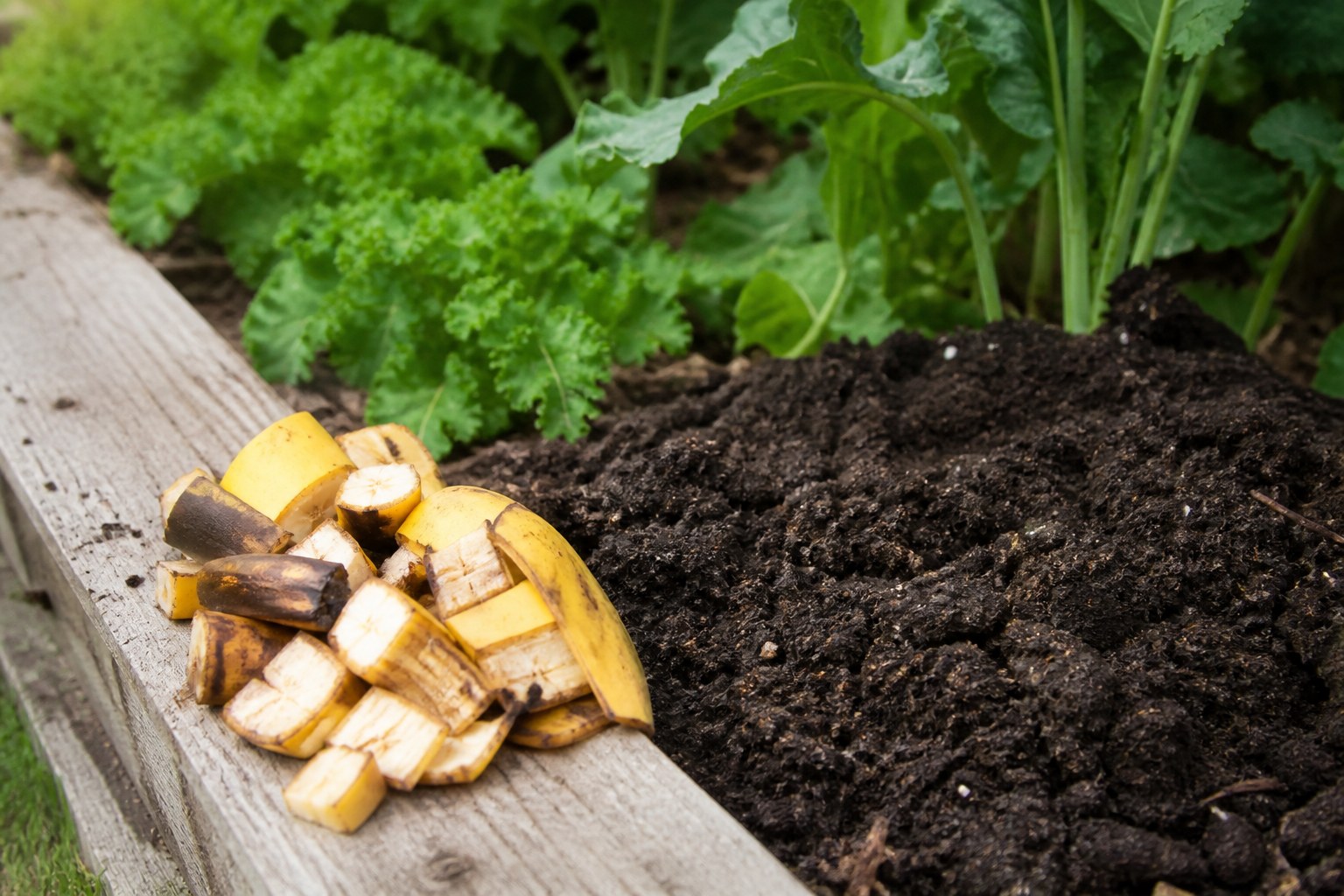
Banana peels are nutrient powerhouses that most gardeners throw away. Rich in potassium, phosphorus, calcium, and magnesium, they’re free fertilizer hiding in your kitchen trash. Here are six practical ways to use banana peels to feed plants and repel pests.
Why Banana Peels Work
Banana peels contain essential plant nutrients in forms that break down and release gradually as they decompose.
Nutrient content (approximate per peel):
- Potassium: 42% — Strengthens stems, improves flowering and fruiting
- Phosphorus: 3-4% — Supports root development and bloom production
- Calcium: 1-2% — Builds cell walls, prevents blossom end rot
- Magnesium: 8% — Essential for photosynthesis (chlorophyll production)
Additional benefits:
- Trace minerals (iron, manganese, sulfur)
- Organic matter that improves soil structure
- Food for beneficial soil bacteria
Banana peels won’t replace complete fertilizer, but they’re excellent supplemental nutrition — especially for fruiting and flowering plants.
1. Banana Peel Tea (Liquid Fertilizer)
Fast-acting liquid feed made by steeping peels in water.
Materials:
- 3-5 banana peels (fresh or frozen)
- 1 gallon water
- Mason jar or bucket with lid
Method:
- Chop peels into 1-inch pieces
- Place in jar or bucket
- Fill with water (rainwater or dechlorinated tap water is best)
- Cover and steep 3-5 days at room temperature
- Strain out solids
- Dilute tea 1:4 (1 cup tea to 4 cups water)
Application:
- Water plants at base (avoid leaves)
- Use weekly during growing season
- Pour 1-2 cups per medium plant
Best for: Tomatoes, peppers, roses, flowering annuals, houseplants
Tip: Freeze banana peels until you collect enough for a batch. Store finished tea in refrigerator up to 2 weeks.
2. Buried Peel Fertilizer
Direct burial provides slow-release nutrition right at the root zone.
Method:
- Dig 4-inch hole or trench near plant base (not touching stems)
- Chop fresh peel into pieces
- Place in hole
- Cover with soil
Timing:
- At planting: Bury 1-2 peels in bottom of planting hole
- During season: Bury pieces monthly around established plants
Decomposition time: 2-4 weeks (faster if chopped small)
Best for: Tomatoes, peppers, roses, fruit trees
Important: Bury deeply enough that animals and flies can’t access peels. Cover completely with soil.
3. Dried Banana Peel Powder
Concentrated, long-lasting amendment you can store and use year-round.
Method:
- Cut peels into strips or small pieces
- Spread on baking sheet
- Dry completely (choose one method):
- Oven: 200°F for 2-3 hours (crack door open)
- Dehydrator: 135°F for 6-8 hours
- Sun: Place in full sun 2-4 days (bring inside at night)
- Peels should be brittle and snap easily
- Grind in blender or food processor to fine powder
- Store in airtight jar
Application:
- Mix 1-2 tablespoons into soil when planting
- Sprinkle 1 tablespoon around base of plants monthly
- Work into top 2 inches of soil
- Water after application
Storage: Keeps 6-12 months in cool, dry place
Best for: Seedlings, transplants, houseplants, container gardens
Pro tip: Grind eggshells with banana peels for extra calcium boost.
4. Aphid and Pest Deterrent
Small pieces of banana peel release compounds aphids find unpleasant.
Method 1 — Buried pieces:
- Cut peel into 1-inch squares
- Bury shallowly around base of affected plants (1-2 inches deep)
- Replace weekly
Method 2 — Surface mulch:
- Lay small peel pieces directly on soil surface
- Surround plant in 6-inch circle
- Replace when they turn brown and dry
Why it works: As peels decompose, they release chemical compounds aphids avoid. Also attracts beneficial insects that eat aphids.
Best for: Roses, vegetables, flowering plants with aphid problems
Caution: May attract slugs or fruit flies if left on surface. Burying is more effective in humid climates.
5. Compost Accelerator
Banana peels heat up compost piles and add nutrients to finished compost.
Method:
- Chop or tear peels into pieces
- Add to compost bin
- Layer with browns (dry leaves, shredded paper)
- Mix or turn compost
Best practices:
- Chop peels smaller for faster decomposition
- Balance 2-3 peels with equal volume of browns
- Bury in center of pile (not on surface)
Why it works: High nitrogen and sugar content feeds microorganisms, speeding decomposition. Potassium enriches finished compost.
Result: Finished compost will have higher potassium content — excellent for fruiting vegetables.
For complete composting guidance, see our beginner’s composting guide.
6. Foliar Spray Fertilizer (Advanced)
Quick nutrient boost absorbed directly through leaves.
Recipe:
- 4 dried, ground banana peels (or 2 tablespoons powder)
- 3 crushed, dried eggshells
- 1 tablespoon Epsom salt
- 1 quart water
Method:
- Combine all ingredients in blender
- Blend until thoroughly mixed (3-5 minutes)
- Let steep 1 hour
- Strain through cheesecloth or coffee filter
- Pour into spray bottle
Application:
- Spray leaf surfaces (top and bottom) until dripping
- Apply early morning or evening (not in full sun)
- Use every 2-3 weeks during growing season
Why it works:
- Banana peels: potassium for fruiting/flowering
- Eggshells: calcium prevents blossom end rot
- Epsom salt: magnesium for chlorophyll production
Best for: Tomatoes, peppers, roses, fruit trees
Caution: Test on few leaves first. Some plants sensitive to foliar feeding. Don’t spray during heat of day (causes leaf burn).
Which Method Should You Choose?
For fast results → Banana peel tea (liquid fertilizer)
For maximum nutrition → Dried powder mixed into soil
For transplants → Buried whole peel in planting hole
For pest problems → Buried pieces as aphid deterrent
For compost makers → Add to compost pile
For foliar feeding → Blended spray (advanced)
Many gardeners use multiple methods: compost all year, use liquid tea during growing season, and bury peels when planting.
Best Plants for Banana Peel Fertilizer
Excellent response:
- Tomatoes (love extra potassium)
- Peppers (improves fruit production)
- Roses (boosts blooms)
- Staghorn ferns (epiphyte specialty)
Good response:
- Squash and cucumbers
- Fruit trees
- Flowering annuals
- Houseplants
Poor candidates:
- Acid-loving plants (blueberries, azaleas) — banana peels slightly alkaline
- Succulents and cacti — too rich
Tips for Success
Avoid these mistakes:
❌ Leaving whole peels on soil surface → Attracts flies, pests, smells bad
❌ Using too many at once → Can cause nutrient imbalance or fungal issues
❌ Applying to dry soil → Always water before and after
❌ Letting peels touch stems → Can cause rot
❌ Expecting instant results → Takes 2-6 weeks to see effects
Best practices:
✅ Chop or grind peels for faster breakdown
✅ Bury peels completely
✅ Use 1-2 peels per plant maximum per month
✅ Combine with other organic fertilizers for balanced nutrition
✅ Rotate application spots around plant
Storage and Preparation
Fresh peels:
- Store in freezer in zip-top bag
- Use within 3 months
- Thaw before using (optional)
Dried peels/powder:
- Store in airtight jar in cool, dry place
- Lasts 6-12 months
- Label with date
Banana peel tea:
- Refrigerate in sealed container
- Use within 2 weeks
- Shake before using
Common Questions
Q: Do I need to remove stickers from peels? A: Yes, remove all stickers before using. They’re plastic and won’t decompose.
Q: Are organic bananas better? A: Organic peels avoid pesticide residue. If using conventional, rinse peels thoroughly.
Q: Can I use brown/overripe peels? A: Yes, actually better — easier to break down and slightly higher sugar content.
Q: Will banana peels attract animals? A: Buried peels rarely attract wildlife. Surface peels may attract raccoons, opossums, or dogs. Always bury completely.
Q: Do banana peels change soil pH? A: Minimal impact. Slight alkaline tendency but negligible in established gardens.
What Banana Peels WON’T Do
Be realistic about expectations:
They won’t:
- Provide complete nutrition (lack nitrogen)
- Replace regular fertilizing
- Work instantly (need time to decompose)
- Fix severe nutrient deficiencies
- Work as a standalone pest control
They will:
- Supplement potassium and micronutrients
- Reduce amount of commercial fertilizer needed
- Improve soil structure as they break down
- Provide free, organic nutrition
Think of banana peels as a supplement, not a replacement for balanced plant nutrition.
Combining with Other Kitchen Scraps
Coffee grounds + banana peels → Balanced nitrogen and potassium
Eggshells + banana peels → Calcium and potassium for tomatoes
Epsom salt + banana peels → Magnesium boost for peppers
These combinations create more complete fertilizer from kitchen waste.
The Bottom Line
Banana peels are free, effective supplemental fertilizer — especially for fruiting and flowering plants. Buried peels, liquid tea, and dried powder all work, but choose methods based on your time and needs.
Start with liquid tea if you’re new to banana peel fertilizer. It’s fast, forgiving, and produces visible results in weeks. Once you see the benefits, experiment with other methods.
Every banana peel you use is free nutrition you’re not buying and organic waste diverted from the landfill. Even if you only save $20-30 per season in fertilizer costs, you’re feeding your plants better while reducing waste.
Toss the peels in your compost or freezer rather than the trash, and your plants will thank you with stronger stems, more blooms, and better harvests.