How to Use Organic Fertilizer: Benefits, Methods, and Potential Risks
Master organic fertilizer application with this complete guide. Learn proper usage, timing, and how to avoid common mistakes for healthier plants.
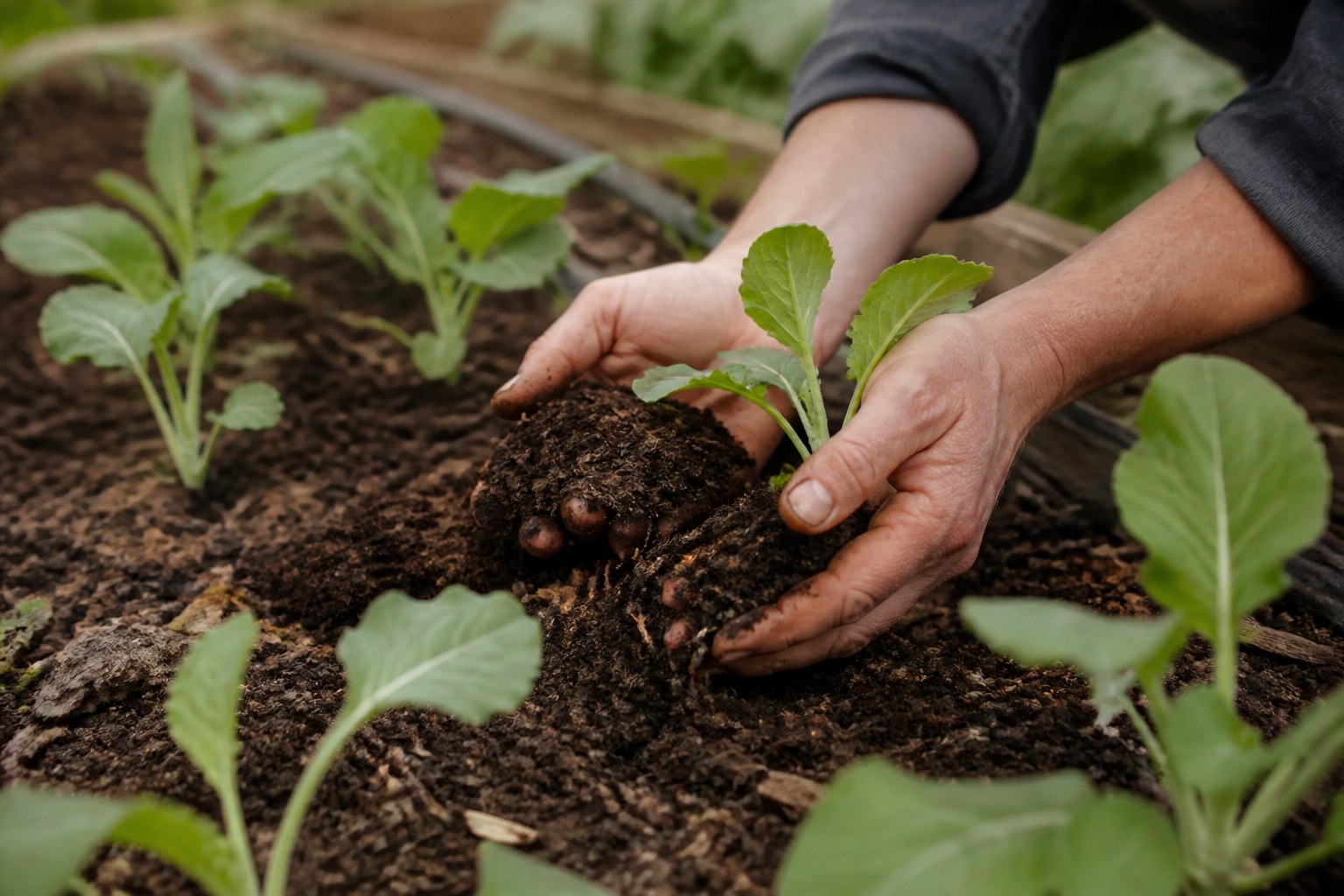
Organic fertilizers improve soil health, feed plants naturally, and reduce environmental impact. But “organic” doesn’t automatically mean “safe” or “foolproof.” Understanding how to use organic fertilizers correctly prevents problems and maximizes results.
What Makes Fertilizer “Organic”?
Organic fertilizers are derived from plant or animal sources — materials that were once living.
Common organic fertilizers:
- Compost
- Manure (chicken, cow, horse)
- Bone meal
- Blood meal
- Fish emulsion
- Kelp/seaweed
- Worm castings
- Cottonseed meal
- Alfalfa meal
How they work: Organic fertilizers release nutrients slowly as soil microorganisms break them down. This creates a steady, long-term nutrient supply.
Synthetic vs. organic:
- Synthetic: Manufactured chemicals, fast-acting, water-soluble
- Organic: Natural materials, slow-release, feeds soil biology
Benefits of Organic Fertilizers
Improves Soil Structure
Unlike synthetic fertilizers that only feed plants, organic materials enhance soil:
- Increases water retention
- Improves drainage in clay soils
- Adds organic matter
- Creates better root environment
- Encourages beneficial organisms
Feeds Soil Life
Microorganisms: Bacteria and fungi break down organic matter, making nutrients available
Earthworms: Process organic material into nutrient-rich castings
Mycorrhizae: Beneficial fungi form partnerships with plant roots
Healthy soil biology leads to healthier, more resilient plants.
Slow, Steady Nutrient Release
Advantages:
- Reduces risk of burning plants
- Provides sustained nutrition
- Less frequent application needed
- Nutrients stay in soil longer
Comparison: Synthetic fertilizers can leach away quickly; organic materials release over weeks or months.
Environmental Benefits
- Less water pollution (reduced runoff)
- Builds soil carbon
- Doesn’t harm beneficial insects
- Sustainable and renewable
- Reduces dependency on fossil fuels (used in synthetic fertilizer production)
Safer for Pets and Children
When properly applied and composted, organic fertilizers pose fewer risks than concentrated chemical fertilizers.
Types of Organic Fertilizers and Their Uses
Compost (All-Purpose)
N-P-K: Varies (typically low, around 1-1-1)
Best for: General soil improvement, mulching, potting mixes
Application: Work into soil, spread as mulch, or use as top dressing
Rate: 1-3 inches worked into beds annually
Pros: Balanced, safe, improves soil structure
Cons: Nutrient levels vary, slow-acting
Well-Aged Manure
N-P-K: Varies by animal (chicken manure is highest)
Best for: Vegetable gardens, established beds
Application: Work into soil in fall or spring, or side-dress growing plants
Rate: 1-2 inches mixed into top 6 inches of soil
Pros: Rich in nitrogen, readily available
Cons: Must be aged properly (see “Risks” section)
Blood Meal (High Nitrogen)
N-P-K: 12-0-0 (approximately)
Best for: Leafy greens, nitrogen-deficient plants, boosting green growth
Application: Sprinkle around plants and scratch into soil
Rate: 1 tablespoon per square foot
Pros: Fast-acting for organic fertilizer, high nitrogen
Cons: Can burn plants if over-applied, attracts animals, acidifies soil
Bone Meal (High Phosphorus)
N-P-K: 3-15-0 (approximately)
Best for: Root development, bulbs, flowering plants, fruiting crops
Application: Mix into soil at planting
Rate: 1 tablespoon per hole for transplants, 1 cup per 10 square feet
Pros: Slow-release phosphorus, long-lasting
Cons: Ineffective in alkaline soil, attracts scavengers, very slow in cold soil
Fish Emulsion (Liquid All-Purpose)
N-P-K: 5-1-1 (approximately)
Best for: Quick nutrient boost, container plants, foliar feeding
Application: Dilute and apply as soil drench or foliar spray
Rate: 1 tablespoon per gallon water, every 2-4 weeks
Pros: Quick results, easy to apply
Cons: Strong odor, needs frequent application
Kelp/Seaweed (Micronutrients and Growth Hormones)
N-P-K: 1-0-2 plus trace minerals
Best for: Overall plant health, stress recovery, micronutrient supplementation
Application: Mix powder into soil or dilute liquid and spray
Rate: Follow package directions (typically 1 tablespoon per gallon)
Pros: Rich in micronutrients, contains growth hormones
Cons: Low N-P-K, works best as supplement
Worm Castings (Gentle All-Purpose)
N-P-K: 1-0-0 (approximately) plus beneficial microbes
Best for: Seedlings, transplants, sensitive plants, container gardening
Application: Mix into potting soil, top dress, or make compost tea
Rate: 10-40% of potting mix, or 1/4 inch top dressing
Pros: Impossible to over-apply, rich in beneficial biology
Cons: Expensive, lower nutrient levels
How to Apply Organic Fertilizers
Before Planting
Broadcast application:
- Spread fertilizer evenly over bed
- Work into top 6-8 inches of soil
- Water thoroughly
- Let sit 1-2 weeks before planting (especially for strong amendments)
Rate: Follow package directions or start conservative (1-2 inches of compost, 2-3 pounds of amendments per 100 square feet)
At Planting
For transplants:
- Mix bone meal or compost into planting hole
- Cover with soil before placing plant (avoid direct root contact with concentrated amendments)
- Water well after planting
Side-Dressing (Mid-Season)
When plants are actively growing:
- Sprinkle fertilizer in band 4-6 inches from stem
- Scratch lightly into soil surface
- Water in thoroughly
Timing: When plants show active growth, after first harvest, or when leaves pale slightly
Top-Dressing
For perennials, lawns, and established plants:
- Spread compost or slow-release fertilizer on soil surface
- Nutrients leach down with watering
- Also acts as mulch
Foliar Feeding
For quick nutrient boost:
- Dilute liquid fertilizers (fish emulsion, kelp, compost tea)
- Spray on leaves in early morning or evening
- Plants absorb through leaf surfaces
- Results visible in days
Best for: Correcting deficiencies, giving plants mid-season boost
Potential Risks and How to Avoid Them
1. Fresh Manure Burns Plants
The problem: Fresh manure is too concentrated. High nitrogen levels burn roots and leaves.
Solution:
- Age manure for at least 6 months before use
- Compost manure before applying
- Apply fresh manure in fall and let it break down over winter
- Never let fresh manure touch plant stems or leaves
Properly aged manure:
- Dark, crumbly texture
- Earthy smell (not ammonia)
- Original bedding broken down
2. Pathogen Contamination
The problem: Fresh manure from dogs, cats, pigs, or humans can contain harmful pathogens (E. coli, Salmonella).
Solution:
- Never use pet waste in vegetable gardens
- Only use herbivore manure (cow, horse, chicken, rabbit)
- Compost properly (hot composting kills pathogens)
- Apply manure at least 120 days before harvesting vegetables
- Wash produce thoroughly
3. Over-Application
The problem: Too much organic fertilizer can still cause problems:
- Excessive nitrogen → lush foliage, few flowers/fruit
- Salt buildup in containers
- Nutrient imbalances
- Wasted money and resources
Solution:
- Follow package directions
- Start with less; you can always add more
- Consider existing soil fertility before adding amendments
- Get soil test to understand actual needs
4. Attracting Pests
The problem: Blood meal, bone meal, and fish products attract dogs, raccoons, skunks, and rodents.
Solution:
- Work fertilizers into soil rather than leaving on surface
- Use alternatives in areas with pest problems
- Store fertilizers securely
- Consider liquid fish instead of fish meal
5. Slow Results
The problem: Organic fertilizers work slowly — plants may show deficiency before fertilizer activates.
Solution:
- Apply early in season before problems appear
- Use faster-acting options (fish emulsion, blood meal) for quick deficiency correction
- Be patient; slow release is a feature, not a bug
- Plan fertilization schedule in advance
6. Inconsistent Nutrient Content
The problem: Compost and manure vary widely in nutrient levels. Hard to know exactly what you’re applying.
Solution:
- Have compost tested if precision matters
- Use packaged organic fertilizers for consistency
- Observe plant response and adjust
- Accept some variability as trade-off for other benefits
7. Weed Seeds
The problem: Inadequately composted manure or plant material may contain viable weed seeds.
Solution:
- Use hot-composted materials only
- Buy from reputable sources
- Expect some weeds; pull as they appear
- Avoid using uncomposted material with seedy plants
Best Practices for Using Organic Fertilizers
Start with soil test: Know what your soil actually needs before adding amendments
Less is more: Start conservatively; you can always add more
Water thoroughly: Helps activate organic fertilizers and prevents salt buildup
Time applications:
- Heavy feeders: Every 4-6 weeks
- Moderate feeders: Every 8-10 weeks
- Light feeders: Once or twice per season
Match fertilizer to need: High nitrogen for leafy growth, phosphorus for flowering/fruiting
Combine methods: Use slow-release amendments plus occasional liquid feeding
Store properly: Keep dry and sealed to preserve nutrients and prevent pests
Record keeping: Note what you applied, when, and results for future reference
For more on building healthy soil naturally, check out our Composting 101: Complete Beginner’s Guide to Making Compost.
The Bottom Line
Organic fertilizers are safe, effective, and environmentally friendly when used properly. The keys are:
- Age manure thoroughly before use
- Apply at proper rates — more isn’t always better
- Work into soil rather than piling on surface
- Choose the right fertilizer for your specific need
- Be patient — organic fertilizers work slower but last longer
Remember: organic fertilizers feed the soil, which feeds the plant. This approach builds long-term soil health and sustainable fertility. The gradual nature of organic nutrients is a strength, creating resilient plants and living soil.
Avoid the common mistakes, follow best practices, and enjoy the benefits of organic fertilizers: healthier soil, stronger plants, and gardens that improve year after year.