6 Natural Remedies To Banish Slugs Out of Your Garden
Eliminate slugs from your garden naturally with proven organic methods. Learn effective barriers, deterrents, and traps to protect plants without harsh chemicals.
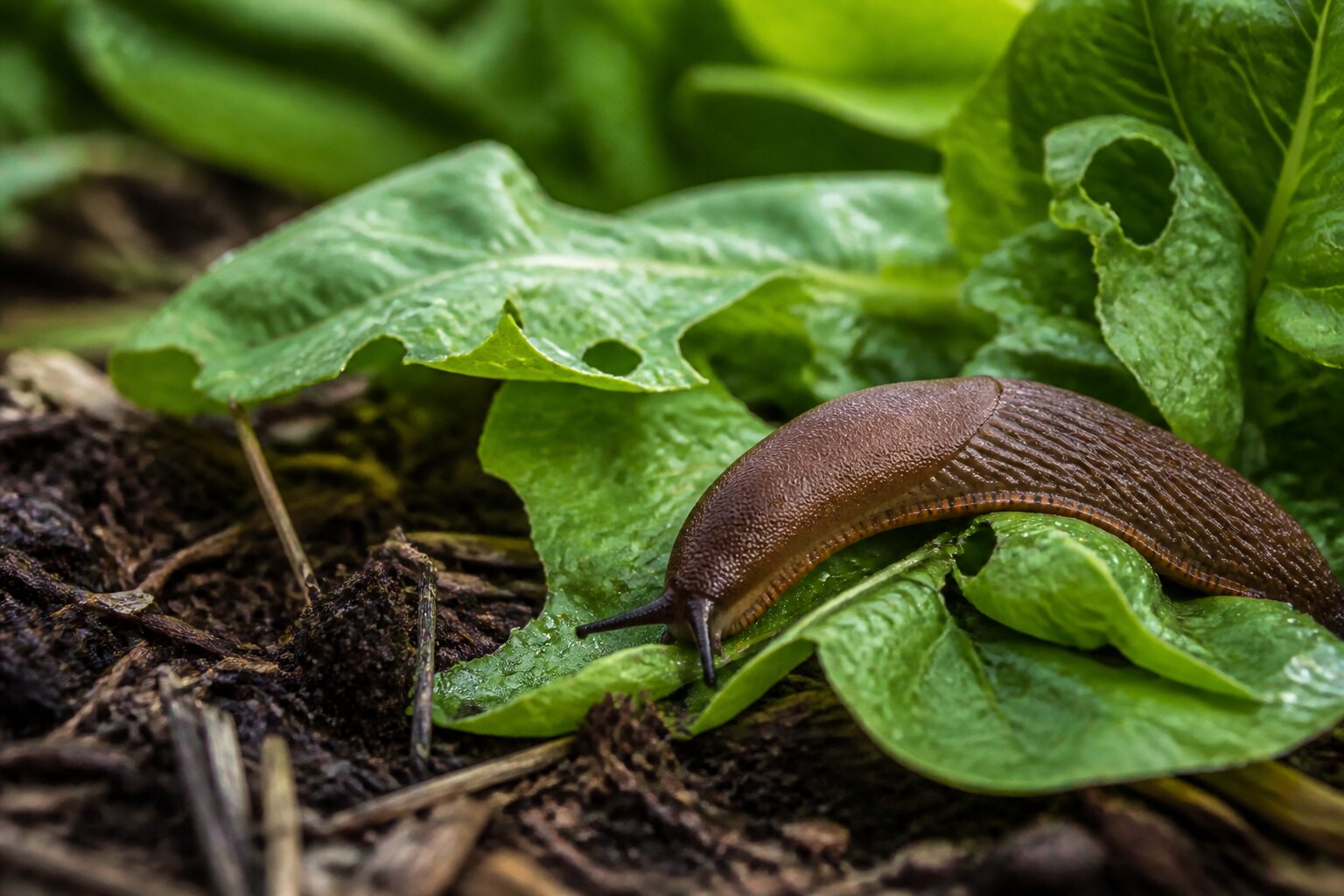
Slugs are among the most destructive garden pests — soft-bodied mollusks that emerge at night to chew irregular holes in leaves, devour seedlings, and leave behind telltale slime trails. A single slug can consume 40 times its own weight in foliage in a single day. Here’s how to stop them naturally without resorting to toxic baits.
Understanding Slug Behavior
Slugs are shell-less land mollusks closely related to snails.
Physical characteristics:
- Length: 1/4 inch to 10 inches (most common garden slugs are 1-2 inches)
- Colors: gray, brown, tan, black, spotted, or mottled
- Body: soft, slimy, muscular foot
- Breathing pore on side of body
- Two pairs of retractable tentacles (upper pair has eyes)
- Underside: single muscular foot that glides on secreted mucus
Why they’re so destructive:
- Active primarily at night and on overcast, humid days
- Feed on nearly all garden plants (especially tender seedlings)
- Can strip young plants entirely in one night
- Leave irregular holes with smooth edges
- Damage vegetables, flowers, and ornamentals
- Contaminate produce with slime and fecal matter
- Some species transmit plant diseases
What they eat:
- Seedlings and young transplants (first targets)
- Tender leafy greens (lettuce, spinach, cabbage)
- Hostas, dahlias, marigolds, zinnias
- Ripe tomatoes, strawberries, and peppers touching ground
- Decaying plant matter (they’re decomposers)
- Young bark on trees and shrubs
Life cycle:
- Hermaphroditic (each slug has both reproductive organs)
- Lay 20-100 eggs multiple times per season
- Eggs: clear or white, pearl-like, laid in moist soil
- Hatch in 2-4 weeks
- Mature in 3-6 months
- Live 1-2 years
- Most active spring and fall when conditions are cool and moist
Ideal slug conditions:
- Cool, moist weather
- Shaded areas with high humidity
- Heavy mulch, boards, rocks (daytime hiding spots)
- Dense groundcover
- Irrigation or frequent rain
- Garden debris
Remedy 1: Coffee Grounds Barrier
Used coffee grounds create an effective barrier slugs won’t cross.
Why coffee works:
- Caffeine is toxic to slugs (even in small amounts)
- Abrasive texture uncomfortable on soft slug bodies
- Strong smell acts as repellent
- Acidic pH deters some species
- Lowers soil pH (beneficial for acid-loving plants)
How to apply coffee grounds:
- Collect grounds: Save used coffee grounds or get free grounds from coffee shops (most give away large bags)
- Let dry slightly: Spread on newspaper for 24 hours (prevents mold, makes spreading easier)
- Create barrier ring:
- Circle plants with 1/2 to 1-inch layer of grounds
- Make ring 2-3 inches wide
- Place 2-4 inches from plant stem (prevents stem rot)
- Apply to slug paths: Spread in areas where you see slime trails
- Refresh after rain: Coffee grounds lose effectiveness when wet
- Reapply every 2-3 weeks: Grounds break down and lose potency
Spray method (alternative):
- Brew double-strength coffee (or use leftover coffee)
- Let cool completely
- Spray directly on leaves, stems, and soil around plants
- Spray in evening (when slugs become active)
- Repeat after rain or every 3-4 days
Best for: Container plants, raised beds, individual prize plants, hostas, seedlings
Added benefits:
- Adds nitrogen to soil as it decomposes
- Improves soil structure
- Attracts earthworms
- Reduces waste (recycles coffee grounds)
Limitations:
- Needs frequent replacement (especially after watering or rain)
- Can mold if applied too thick while wet
- Not suitable for alkaline-loving plants
Remedy 2: Crushed Eggshells
Sharp eggshell fragments create an uncomfortable physical barrier.
Why eggshells work:
- Jagged edges cut and irritate slugs’ soft undersides
- Slugs avoid crossing sharp materials
- Slow and vulnerable while navigating obstacle (more exposed to predators and desiccation)
- Eventually decompose and add calcium to soil
How to use eggshells effectively:
- Collect and prepare:
- Save eggshells (rinse and let dry to prevent odor)
- Store in paper bag or cardboard box
- Collect at least 2-3 dozen for meaningful coverage
- Crush thoroughly:
- Use rolling pin, mortar and pestle, or food processor
- Aim for pieces 1/8 to 1/4 inch (too fine = less effective)
- Want sharp edges, not powder
- Create protective ring:
- Spread crushed shells in 2-3 inch wide band around plants
- Make layer 1/2 inch thick minimum
- Extend 3-4 inches from plant base
- Press slightly into soil surface (prevents scattering)
- Apply to vulnerable areas:
- Around entire vegetable beds
- Base of hostas and other slug favorites
- Entrances to raised beds
- Maintain barrier:
- Check weekly and replenish as shells break down
- Add more after heavy rain or tilling
- Refresh every 3-4 weeks
Why some eggshell barriers fail:
- Shells crushed too finely (not sharp enough)
- Layer too thin (slugs simply cross it)
- Applied when soil very wet (shells sink, lose effectiveness)
- Spread too close to plant (doesn’t create adequate barrier zone)
Best for: Individual plants, raised beds, containers, flower gardens, areas where you grow egg-laying chickens (abundant supply)
Added benefits:
- Slow-release calcium source (prevents blossom end rot in tomatoes)
- Improves soil structure
- Deters other soft-bodied pests
- Free and sustainable
- Attractive natural mulch appearance
Remedy 3: Copper Barriers
Copper creates a mild electrical charge that repels slugs on contact.
Why copper works:
- Slug slime reacts with copper to create mild electrical shock
- Unpleasant sensation causes slug to retreat immediately
- Works continuously (doesn’t need recharging or replacement)
- Long-lasting (copper barriers can function for years)
- No chemicals involved
Types of copper barriers:
Copper tape (most versatile):
- Adhesive-backed strips
- Width: 1-2 inches works best
- Apply to pots, planters, raised bed edges
- Ensure good contact with surface
- Overlap ends slightly
- Replace when adhesive fails or copper oxidizes heavily (turns green)
Copper mesh:
- Flexible rolled copper screen
- Can be formed into collars around individual plants
- Cut to size
- Secure with stakes
- Effective for row covers
Copper wire:
- Heavy gauge (#8-10) works best
- Create rings around plants
- String along fence lines or bed edges
- Attach to wooden raised bed tops
Solid copper strips (professional grade):
- Pre-formed rigid bands
- Attach to raised bed perimeter
- Long-lasting
- More expensive but very effective
How to install copper barriers:
- On containers: Wrap copper tape around pot rim (slugs climb pots to reach plants)
- On raised beds: Attach copper strips to top edge of frame (creates complete perimeter)
- Around individual plants: Form copper mesh or wire into collar, sink 1 inch into soil
- On greenhouse benches: Apply tape to bench legs (prevents slugs from climbing)
- Tree trunk protection: Wrap copper mesh band 4-6 inches wide around trunk (prevents slug damage to bark)
Important installation tips:
- Surface must be dry and clean (for tape)
- Copper must be continuous with no gaps (slugs find gaps)
- Width matters: Minimum 1 inch wide (slugs may bridge narrow barriers)
- Keep copper clean: Wipe off slug slime buildup (reduces effectiveness)
- Vegetation can’t touch and bridge barrier (creates slug highway)
Best for: Permanent installations, containers, raised beds, high-value plants, greenhouse benches
Limitations:
- Initial cost (copper is expensive)
- Must maintain (clean off slime, vegetation, debris)
- Effectiveness reduces as copper oxidizes (though still works somewhat)
- Only protects perimeter (slugs already inside barrier remain)
- Can’t protect large open garden areas (too expensive)
Where to buy: Garden centers, online retailers, specialty pest control suppliers
Remedy 4: Diatomaceous Earth (DE)
Fossilized algae with microscopic sharp edges that damage slug bodies.
What diatomaceous earth is:
- Powder made from fossilized remains of diatoms (single-celled algae)
- Microscopic sharp edges (like broken glass under microscope)
- Food-grade vs. pool-grade (use only food-grade for garden)
- Non-toxic to humans, pets, and plants
- Works on many soft-bodied insects and mollusks
How DE kills slugs:
- Microscopic sharp edges cut through protective slime coating
- Absorbs lipids from slug’s waxy outer layer
- Causes dehydration (slug dies within 24-48 hours)
- Physical action (not chemical), so no resistance develops
Application method:
- Choose right product: Food-grade DE only (pool-grade is chemically treated and harmful)
- Apply when dry:
- Slugs active in moist conditions, but DE only works when dry
- Apply on dry day with no rain forecast for 2-3 days
- Morning application best (before dew arrives)
- Create dust barrier:
- Wear dust mask (DE irritates lungs if inhaled)
- Use hand duster, flour sifter, or squeeze bottle
- Apply thin, even layer around plants
- Dust soil surface, not plant leaves (can harm beneficial insects on foliage)
- Create 2-3 inch wide band around vulnerable plants
- Dust slug hiding places:
- Under boards, pots, and garden debris
- Around compost bins
- Under mulch (pull back, dust, replace)
- Reapply after rain: DE becomes ineffective when wet
- Repeat every 7-10 days: During active slug season
Important safety notes:
- Wear mask during application (fine dust irritates respiratory system)
- Keep away from blooming flowers (can harm bees and beneficial insects)
- Safe for pets and children once settled (but avoid breathing dust)
- Wash hands after handling
Best for: Dry climates, under cover (porches, greenhouses, protected areas), spot treatment of specific slug harborage
Limitations:
- Must be completely dry to work
- Rain and irrigation wash it away (needs frequent reapplication)
- Heavy dew reduces effectiveness
- Expensive for large garden areas
- Can harm beneficial insects if overapplied
Remedy 5: Beer Traps
Slugs are attracted to the yeast in beer and drown in the liquid.
Why beer traps work:
- Yeast fermentation produces compounds that attract slugs from several feet away
- Slugs crawl into container to feed on yeast
- Fall into liquid and drown
- Can catch dozens of slugs per trap per night in heavy infestations
How to make effective beer traps:
Simple container method:
- Choose containers:
- Shallow disposable containers (margarine tubs, yogurt cups, cat food cans)
- Depth: 1-2 inches ideal
- Width: 3-4 inches
- Dig hole: Bury container so rim is level with or slightly above soil surface (level with soil catches more slugs; slightly above prevents ground beetles from drowning)
- Add beer: Fill container 1/2 to 2/3 full (cheap beer works fine; slugs aren’t picky)
- Create rain cover: Place board or slate propped on stones over trap (keeps rain from diluting beer)
- Position strategically:
- Place 3-5 traps per 100 square feet of garden
- Near damaged plants
- Along edges and shady areas
- Under foliage where slugs hide during day
- Check and refresh:
- Empty drowned slugs every 2-3 days
- Refill with fresh beer
- Replace when beer becomes diluted or loses scent (every 3-4 days)
Improved trap design (catches more, lasts longer):
- Use yogurt container with lid
- Cut 1-inch holes near top of sides (slugs crawl through holes, fall in)
- Lid prevents rain dilution and evaporation
- Lid also prevents beneficial beetles from entering
Non-beer alternatives:
- Mix of water, sugar, and yeast (1 cup water + 1 tablespoon sugar + 1/2 teaspoon yeast)
- Grape juice diluted 50/50 with water
- Overripe fruit mashed in water
Why beer traps sometimes fail:
- Placed too far from slug activity
- Too few traps for size of infestation
- Not buried properly (rim too high above ground)
- Not checked and emptied regularly
- Beer goes stale or becomes diluted
Best for: Heavy infestations, small gardens, spot treatment around vulnerable plants, monitoring slug population levels
Limitations:
- Only catches slugs near trap (doesn’t reduce entire population if not enough traps)
- Needs maintenance (checking, emptying, refilling)
- Can attract slugs from neighboring yards
- May catch beneficial ground beetles (minimize by keeping rim slightly above ground)
- Beer can be expensive if using lots of traps
Disposal: Dump drowned slugs in trash or bury far from garden (don’t compost — eggs may survive)
Remedy 6: Vinegar Spray
Acetic acid in vinegar burns slug bodies on contact.
Why vinegar works:
- Acid burns through slug’s protective mucus layer
- Causes severe dehydration
- Kills on contact (within seconds to minutes)
- Inexpensive and readily available
How to use vinegar safely:
Spray solution for slug control:
- Mix 1 part white vinegar (5% acidity) with 1 part water
- Pour into spray bottle
- Spray directly on slugs when you see them
- Avoid spraying plants (vinegar damages foliage)
Undiluted application (use very carefully):
- Straight vinegar (5% acidity) for heavy infestations
- Spray only on slugs themselves, not on or near plants
- Best for hard surfaces (paths, patios, pot exteriors)
Application method:
- Hunt at night: Go out after dark with flashlight and spray bottle
- Spray slugs directly: Target slug body (dies quickly)
- Check slug hiding spots:
- Under boards and pots
- Beneath mulch
- In dense ground cover
- Along foundations and walls
- Spray slug trails: Where you see slime but no slugs (deterrent)
- Avoid plants: Keep vinegar off foliage, flowers, and away from plant roots
Important precautions:
- Do not spray on or near plants you want to keep: Vinegar kills plants (including garden vegetables and flowers)
- Test on small area first if using near plants
- Avoid spraying on soil near plant roots (changes soil pH)
- Better for hard surfaces, mulched paths, and areas away from plants
- Works best as spot treatment when you catch slugs in the act
Best for: Hardscape areas, pavement, sidewalks, patios, immediate kill of visible slugs, non-planted areas
Limitations:
- Can harm plants if oversprayed or drifts onto foliage
- Must see slug to kill it (not a preventive barrier)
- Doesn’t control slug population long-term (only kills visible slugs)
- Can temporarily alter soil pH if used heavily
Combining Methods for Maximum Control
The most effective slug control uses multiple methods simultaneously.
Complete slug management strategy:
Week 1 — Immediate intervention:
- Install beer traps in 3-4 locations around garden
- Apply coffee grounds or crushed eggshells around most vulnerable plants
- Hand-pick slugs at night and dispose in soapy water
- Remove slug hiding spots (boards, debris, excess mulch)
Week 2-4 — Barrier reinforcement:
- Add copper tape to containers and raised beds
- Apply diatomaceous earth in dry weather around seedlings
- Continue beer trap maintenance (empty and refill)
- Maintain coffee/eggshell barriers (refresh after rain)
- Night patrols with vinegar spray for visible slugs
Month 2+ — Long-term prevention:
- Keep permanent barriers in place (copper, regular coffee/shell applications)
- Reduce garden moisture where possible
- Water in morning (soil dries by evening when slugs emerge)
- Remove mulch from plant bases (creates slug habitat)
- Encourage natural predators
Cultural Practices That Reduce Slugs
Modify your garden environment to make it less slug-friendly.
Reduce moisture and hiding spots:
- Water in morning only (evening watering creates ideal slug conditions)
- Use drip irrigation rather than overhead watering
- Reduce mulch depth to 1-2 inches (thick mulch harbors slugs)
- Pull mulch 3-4 inches back from plant stems
- Remove boards, stones, pots lying on ground
- Clear garden debris and dead leaves
- Thin dense groundcover
Garden maintenance:
- Pick overripe or damaged fruit immediately (attracts slugs)
- Remove lowest leaves on plants (reduces slug access)
- Stake tomatoes, cucumbers, and squash (keeps fruit off ground)
- Use raised beds (better drainage, easier to monitor)
- Space plants for good air circulation
Encourage natural predators:
- Ground beetles (eat slug eggs and young slugs)
- Birds (robins, thrushes, blackbirds)
- Frogs and toads
- Snakes (garter snakes)
- Hedgehogs (in UK and Europe)
How to attract predators:
- Provide bird baths and perches
- Create toad shelters (overturned clay pots with entrance hole)
- Build small pond (attracts frogs)
- Leave some natural areas with logs and stones
- Avoid pesticides (kill beneficial predators along with pests)
When to Take Action
Slug control is most effective when started early.
Start control measures when you see:
- Irregular holes in leaves (especially overnight appearance)
- Slime trails on leaves, stems, or soil
- Seedlings disappearing or completely defoliated
- Damage to low-hanging fruit (strawberries, tomatoes)
- Slugs visible during day (indicates high population)
Most critical times for slug control:
- Early spring: When eggs hatch and slugs become active
- Seedling stage: Young plants most vulnerable
- Cool, wet weather: Peak slug activity periods
- Before planting: Reduce population before setting out transplants
- Fall: Slugs laying eggs for next year’s generation
For information on controlling other common garden pests, see our comprehensive garden pests guide.
Common Mistakes
Using salt directly on soil: Salt kills slugs but also sterilizes soil, harms plants, and contaminates groundwater (use only in bucket traps)
Applying DE when rain expected: Waste of money and effort (becomes completely ineffective when wet)
Copper barriers with gaps: Slugs find even small gaps (must be continuous)
Not enough beer traps: One trap won’t control garden-wide infestation (need multiple traps)
Giving up too soon: Slug control takes consistent effort over weeks (single applications don’t eliminate population)
Ignoring eggs: Removing slug eggs found in soil prevents next generation (clear, pearl-like clusters in moist soil)
Over-mulching: Thick mulch creates perfect slug habitat (keep mulch thin and away from plant stems)
Only treating symptoms: Killing visible slugs while leaving their ideal habitat means they’ll return
The Bottom Line
Slugs cause serious garden damage, but natural remedies effectively control them without toxic baits. Start with physical barriers — coffee grounds, crushed eggshells, or copper tape around vulnerable plants. Add beer traps to capture large numbers, and use diatomaceous earth for dry-weather control. Vinegar spray kills individual slugs on contact but use carefully around plants.
The key is consistency and combining multiple methods. One barrier may not stop every slug, but layered defenses — coffee grounds plus beer traps plus nighttime hand-picking — significantly reduce populations. Remove hiding spots, water in morning rather than evening, and reduce excess mulch.
Start control measures in early spring before populations explode. Check barriers weekly and refresh after rain. With persistent effort, natural slug control protects your garden without poisoning the soil, beneficial insects, or the ecosystem.