5 Natural Ways to Fight Black Spot Fungus Disease on Roses
Control black spot disease on roses naturally with proven organic fungicides and cultural practices. Learn prevention and treatment for healthy, disease-free roses.
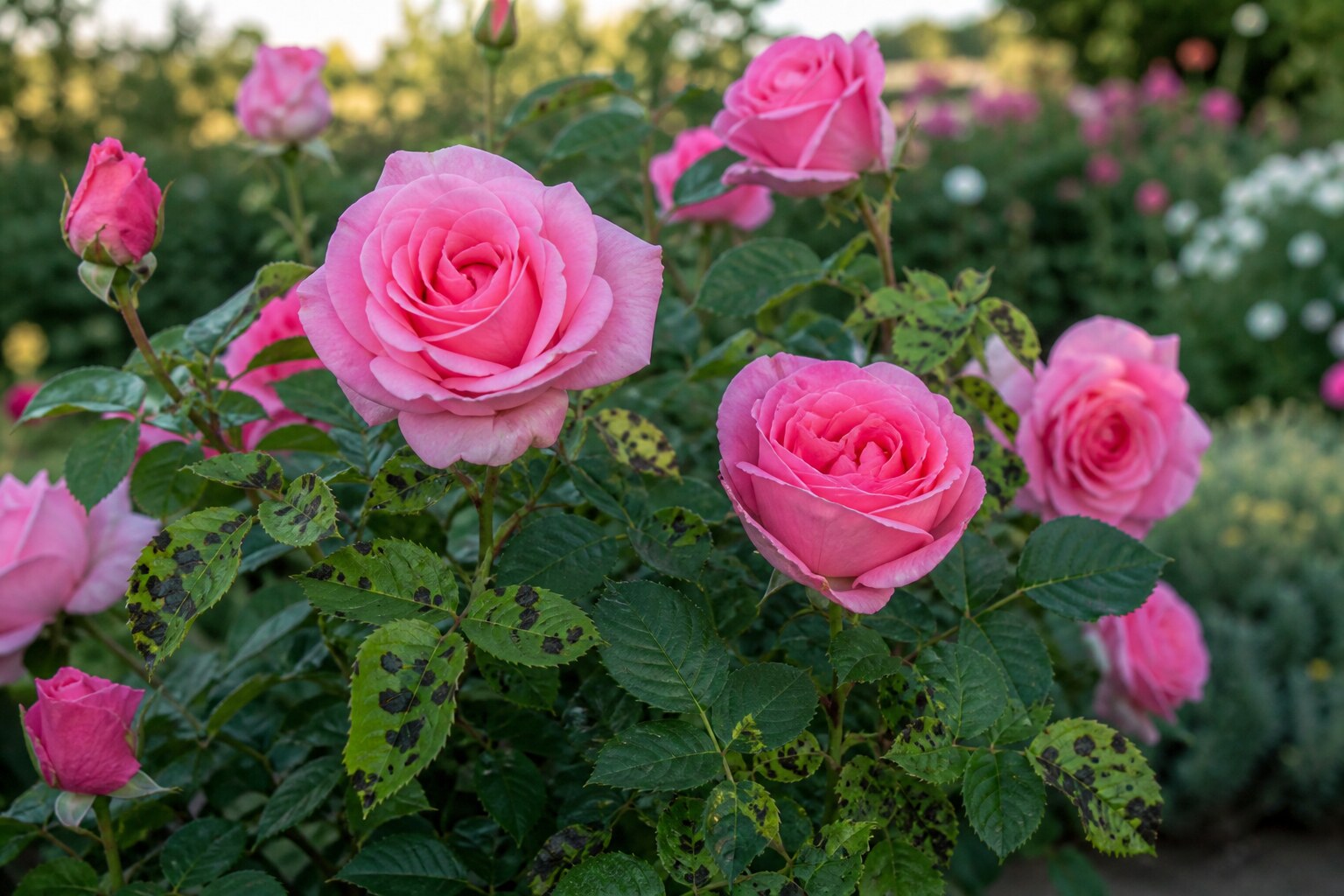
Black spot is the most common and destructive fungal disease affecting roses. It weakens plants, causes premature leaf drop, and ruins the appearance of your rose garden. Once established, it returns year after year unless properly managed. Here’s how to fight it naturally without synthetic fungicides.
What Is Black Spot?
Black spot (Diplocarpon rosae) is a fungal disease that specifically targets roses.
Identifying black spot:
- Black or dark brown spots on upper leaf surfaces
- Spots have feathery, irregular edges (not smooth circles)
- Yellow halo (zone) surrounds each spot
- Spots enlarge and merge as disease progresses
- Affected leaves turn yellow and drop prematurely
- Lower leaves affected first, disease moves upward
- Can also appear on canes (purple or black lesions)
Disease progression:
- Early stage: Small black spots (1-5mm) with yellow halos appear
- Middle stage: Spots enlarge to 1/2 inch, multiply rapidly
- Late stage: Entire leaf turns yellow and drops off
- Severe infection: Plant can lose all leaves multiple times per season
Why black spot is so destructive:
- Repeated defoliation severely weakens rose bush
- Reduces blooming (plant conserves energy rather than flowering)
- Makes plant vulnerable to winter damage
- Spreads rapidly in favorable conditions
- Spores persist year after year in garden
Environmental conditions that favor black spot:
- Temperature: 65-75°F (18-24°C) is optimal for fungal growth
- Moisture: Free water on leaves for 7+ hours (rain, dew, overhead watering)
- Humidity: High relative humidity (above 85%)
- Season: Spring and fall when conditions are cool and wet
- Poor air circulation: Dense foliage, overcrowding
- Shade: Reduces drying time, increases humidity
Life cycle:
- Fungus overwinters in fallen leaves and infected canes
- Spores release in spring with warm, wet weather
- Spores splash onto leaves during rain or watering
- Infect leaf tissue within 7 hours of continuous leaf wetness
- New spores develop in 10-14 days (repeat cycle)
- Multiple infection cycles per season
Natural Treatment 1: Baking Soda Spray
Sodium bicarbonate creates alkaline leaf surface that inhibits fungal growth.
Why baking soda works:
- Raises pH on leaf surface (fungi prefer acidic conditions)
- Disrupts fungal cell walls
- Prevents spore germination
- Better as preventive than cure (stops new infections)
- Also effective against powdery mildew
Baking soda fungicide recipe:
- 1 tablespoon baking soda
- 1 gallon water
- 1 tablespoon horticultural oil or vegetable oil (helps baking soda stick to leaves)
- 1 teaspoon mild liquid soap (spreader-sticker)
Alternative recipe (Cornell University formula):
- 1 tablespoon baking soda
- 1 gallon water
- 1 tablespoon light horticultural oil
- 1 tablespoon liquid dish soap
Mixing instructions:
- Dissolve baking soda in small amount of warm water
- Add oil and soap
- Pour into spray container
- Add remaining water
- Shake well before each use
- Use fresh (doesn’t store well — mix only what you’ll use that day)
Application method:
- Timing: Early morning after dew dries, or evening
- Don’t spray in hot sun (can damage leaves)
- Temperature should be below 80°F (27°C)
- No rain forecast for 24 hours
- Coverage: Spray entire plant thoroughly
- Top and bottom of all leaves
- Stems and canes
- Spray to point of runoff (dripping)
- Frequency:
- Preventive: Every 7-10 days during growing season
- Active infection: Every 5-7 days until controlled
- Reapply after rain or heavy watering
- Duration: Continue throughout growing season
Important precautions:
- Don’t exceed 1 tablespoon baking soda per gallon (higher concentration burns leaves)
- Avoid spraying in direct sunlight or heat
- Oil component can damage leaves if overused — limit to once per week maximum
- Test on a few leaves first if unsure about rose variety sensitivity
Effectiveness:
- 50-70% reduction in black spot when used preventively
- Less effective once disease well established (but helps prevent spread)
- Works best combined with cultural practices
Natural Treatment 2: Neem Oil
Botanical fungicide that prevents spore germination and has systemic activity.
Why neem oil works:
- Active ingredient azadirachtin disrupts fungal growth
- Prevents spore germination on leaf surface
- Some systemic action (absorbed into plant tissue)
- Provides 7-14 days residual protection
- Also controls aphids, mites, and other rose pests simultaneously
Neem oil spray recipe:
- 2-4 tablespoons pure cold-pressed neem oil (100% concentrate)
- 1 gallon water
- 1-2 teaspoons mild liquid soap (emulsifier to mix oil and water)
Commercial options: Pre-mixed neem oil sprays (follow label dilution rates)
Mixing and application:
- Emulsify oil first:
- Mix neem oil with soap in small amount of warm water
- Stir vigorously until milky white
- Add to spray container
- Add remaining water
- Shake thoroughly
- When to apply:
- Evening or early morning only (never midday)
- Temperature below 85°F (29°C)
- No rain forecast for 24 hours
- Avoid spraying open blooms (can damage petals)
- How to apply:
- Shake bottle frequently during spraying (oil separates)
- Spray all leaf surfaces until dripping
- Cover stems and canes
- Focus on undersides of leaves
- Treatment schedule:
- Preventive: Every 14 days starting in early spring
- Active infection: Every 7 days for 4-6 weeks
- Year-round in warm climates
Important notes:
- Strong smell (dissipates in 24-48 hours)
- Neem degrades in sunlight and heat (store in cool, dark place)
- Keep pets away until dry
- Can temporarily make leaves appear oily or shiny
- Buy from reputable source (many “neem oil” products are diluted)
Advantages over other treatments:
- Longer-lasting protection
- Treats multiple problems simultaneously (insects + fungi)
- Some systemic activity (continues working after application)
- Doesn’t wash off as easily
Effectiveness: 60-80% reduction in black spot when used preventively and consistently
Natural Treatment 3: Sulfur Fungicide
Traditional organic fungicide with both preventive and curative properties.
Why sulfur works:
- Prevents spore germination (protectant)
- Kills newly germinated spores (early curative)
- Disrupts fungal respiration
- Also controls powdery mildew, rust, and some insect pests (mites)
- One of the oldest and most reliable organic fungicides
Forms of sulfur:
Wettable sulfur powder:
- Mix with water for spray application
- 3 tablespoons per gallon water
- Requires good agitation (settles quickly)
Micronized sulfur:
- Finer particles, better suspension in water
- Easier to spray (doesn’t clog nozzles as much)
- Better coverage
Sulfur dust:
- Applied dry with duster
- Good for small gardens
- Dusty and can irritate lungs (wear mask)
Liquid sulfur concentrate:
- Pre-mixed suspension
- Most convenient
- Follow label rates
Application instructions:
- Timing:
- Apply before symptoms appear (early spring is critical)
- Reapply every 7-10 days during wet weather
- Every 14 days in dry weather
- Temperature must be below 85°F (29°C) — hot weather increases phytotoxicity risk
- Coverage: Thorough coating of all plant surfaces
- Start early: Begin applications when leaves first emerge in spring
- Continue through season: Especially during cool, wet periods
Critical safety warnings:
Temperature restriction (most important):
- NEVER apply sulfur when temperature above 85°F (29°C)
- Heat + sulfur = severe leaf burn and plant damage
- Check forecast before application
Incompatibility with oils:
- DO NOT use sulfur within 2 weeks of horticultural oil or neem oil application
- DO NOT use oil within 2 weeks after sulfur application
- Combination causes severe phytotoxicity (leaf burn, defoliation)
Other precautions:
- Wear protective mask when applying (irritates respiratory system)
- Protective gloves and eyewear
- Mildly toxic to beneficial insects while wet
- Can corrode metal (use plastic or stainless steel sprayer)
- May discolor painted surfaces
Effectiveness: 70-85% control of black spot when applied preventively from early spring
Best for: Gardens with consistent black spot problems, preventive programs, when disease pressure is high
Natural Treatment 4: Compost Tea
Beneficial microorganisms compete with black spot fungus and boost plant immunity.
What compost tea is:
- Liquid extract of finished compost
- Contains beneficial bacteria and fungi
- Microorganisms colonize leaf surfaces (outcompete pathogens)
- Strengthens plant immune response
- Adds nutrients as foliar feed
Making aerated compost tea (most effective method):
Ingredients:
- 5 gallons chlorine-free water (dechlorinate tap water by letting sit 24 hours)
- 2-3 cups high-quality finished compost (diverse source material)
- 2 tablespoons unsulfured molasses (feeds beneficial microbes)
- Aquarium air pump with air stone (provides oxygen)
Instructions:
- Fill bucket with water: Use 5-gallon bucket
- Add compost: Place in mesh bag or cheesecloth (easier to remove)
- Add molasses: Feeds and multiplies beneficial organisms
- Aerate: Run air pump continuously
- Brew 24-48 hours: Keep at 60-80°F
- Use immediately: Beneficial organisms die quickly once aeration stops
Application:
- Strain tea through cheesecloth (removes particles that clog sprayer)
- Dilute if desired (1:1 with water for foliar spray)
- Spray all plant surfaces
- Apply remaining tea to soil around plants (root drench)
- Use within 4 hours of stopping aeration
Treatment schedule:
- Apply every 14 days during growing season
- Start in early spring before symptoms appear
- Increase to weekly during wet weather
Why compost tea works:
- Beneficial bacteria and fungi colonize leaf surfaces
- Occupy space pathogens need to infect
- Produce antibiotics that inhibit fungal pathogens
- Stimulate plant’s systemic acquired resistance (natural immunity)
Effectiveness:
- 30-50% reduction in black spot as standalone treatment
- Most effective when combined with other methods
- Better as preventive than cure
- Benefits increase with repeated applications (beneficial populations build)
Best for: Organic gardens, building soil health, supplementing other treatments, mild black spot pressure
Natural Treatment 5: Bordeaux Mixture
Traditional copper-based fungicide with protectant and curative properties.
What Bordeaux mixture is:
- Combination of copper sulfate and hydrated lime
- Creates blue-colored protective coating on plants
- Used successfully for over 100 years
- One of the most effective organic fungicides
- Also repels some insects and controls bacterial diseases
Commercial products: Ready-to-use Bordeaux mixture (follow label directions)
DIY Bordeaux mixture (advanced — requires precise measuring):
Ingredients:
- 3-4 tablespoons copper sulfate (bluestone)
- 3-4 tablespoons hydrated lime (calcium hydroxide)
- 1 gallon water
- 2 separate non-metal containers
Mixing process (important — must be done correctly):
- Dissolve copper sulfate: In 1/2 gallon hot water (use plastic or glass container)
- Mix lime: With 1/2 gallon water in separate container
- Combine slowly: Pour copper sulfate solution into lime solution (NOT reverse)
- Stir constantly while combining
- Test pH: Should be neutral to slightly alkaline (pH 7-8)
- Test with litmus paper
- If too acidic, add more lime
- Use immediately: Doesn’t store well (copper settles out)
Application:
- Timing:
- Early spring before leaf emergence (dormant spray strongest)
- Every 7-14 days during growing season
- After pruning (protects cut surfaces)
- Reapply after rain
- Coverage: Spray to runoff (complete coverage essential)
- Frequency: Every 7-10 days during wet weather
- Precautions:
- Wear protective equipment (skin and eye irritant)
- Don’t spray open flowers (damages petals)
- Can stain surfaces blue (structures, pavement)
- Avoid breathing spray mist
Important warnings:
Copper accumulation:
- Copper builds up in soil with repeated use
- Can become toxic to plants over years
- Use only when necessary (not routine preventive)
- Rotate with other treatments
Phytotoxicity risk:
- Can damage tender new growth
- Avoid spraying in very hot weather
- Some rose varieties more sensitive than others
- Test on small area first
Environmental concerns:
- Copper toxic to aquatic life (avoid runoff into waterways)
- Toxic to bees while wet (spray in evening after bees return to hive)
- Certified organic but still a heavy metal (use judiciously)
Effectiveness: 80-90% control of black spot when used as part of comprehensive program
Best for: Severe infections, dormant season applications, when other methods have failed
Cultural Practices (Essential for Long-Term Control)
Fungicide sprays alone won’t solve persistent black spot problems.
Plant resistant varieties:
- Choose roses bred for black spot resistance
- Look for ratings in rose catalogs
- Resistant varieties: ‘Knock Out’, ‘Carefree Beauty’, ‘The Fairy’, many David Austin varieties
- No rose is 100% immune, but resistant varieties need minimal intervention
Sanitation (most important cultural practice):
- Remove infected leaves immediately:
- Pick off spotted leaves as soon as you see them
- Don’t wait for them to fall
- Prevents spore production and spread
- Fall cleanup:
- Remove ALL fallen leaves from around roses
- Clean up leaf debris from entire garden
- Don’t compost diseased leaves (spores survive)
- Burn or discard in trash
- Prune out diseased canes:
- Cut back to healthy white pith
- Disinfect pruners between cuts (10% bleach solution or alcohol)
- Spring cleanup:
- Rake away mulch from previous season
- Remove any remaining debris
- Replace with fresh mulch
Watering practices:
- Water at soil level: Use drip irrigation or soaker hoses (keeps foliage dry)
- Avoid overhead watering: Sprinklers splash spores and keep leaves wet
- If you must water overhead: Do it early morning (leaves dry quickly)
- Never water in evening: Leaves stay wet overnight (ideal for fungal infection)
Air circulation:
- Proper spacing: Plant roses 3-4 feet apart minimum
- Prune for open center: Remove crossing branches, thin dense growth
- Avoid planting against solid walls: Restricts air movement
- Don’t overcrowd with other plants: Give roses breathing room
Site selection:
- Full sun: Minimum 6 hours direct sun (helps dry leaves)
- Good drainage: Avoid low, wet areas
- Air movement: Open locations better than sheltered spots
Nutrition:
- Adequate but not excessive nitrogen: Too much nitrogen produces soft, disease-prone growth
- Balanced fertilization: Use rose-specific fertilizer
- Healthy plants resist disease better: But stressed plants aren’t more susceptible to black spot specifically
Mulch management:
- Mulch to reduce splash: Prevents spores in soil from splashing onto leaves
- Keep mulch 3-4 inches from rose stems: Prevents stem rot, reduces humidity
- Use fresh mulch each spring: Don’t reuse potentially contaminated material
Prevention Strategy (Most Effective Approach)
Start before disease appears.
Early spring (before leaf emergence):
- Perform thorough cleanup (remove all debris from last season)
- Apply dormant spray (Bordeaux mixture or lime sulfur)
- Replace mulch with fresh material
Spring (as leaves emerge):
- Begin preventive spray program immediately
- Choose one method: baking soda, neem oil, or sulfur
- Apply every 7-14 days
- Monitor weekly for first signs of disease
- Remove any infected leaves immediately
Summer:
- Continue spray program (increase frequency during rainy periods)
- Maintain good watering practices
- Remove infected leaves promptly
Fall:
- Continue spraying until first frost
- Perform thorough cleanup after leaves drop
- Final fungicide application after cleanup
Year-round:
- Water at ground level only
- Maintain plant spacing and air circulation
- Remove infected leaves immediately when spotted
Combining Treatments for Maximum Control
Most effective approach uses multiple strategies.
Comprehensive black spot management:
-
Cultural foundation:
- Sanitation (remove infected leaves immediately)
- Proper watering (soil level, morning only)
- Good air circulation
- Fall and spring cleanup
-
Preventive spray rotation:
- Week 1-2: Baking soda spray
- Week 3-4: Neem oil
- Week 5-6: Return to baking soda
- Rotate to prevent fungal adaptation and reduce any single product’s overuse
-
Intensive treatment during outbreaks:
- Switch to sulfur or Bordeaux mixture temporarily
- Spray every 5-7 days for 3-4 weeks
- Return to preventive rotation once controlled
-
Boost with compost tea:
- Apply every 2-3 weeks throughout season
- Builds beneficial microbe populations
- Strengthens plants
Why rotation works better than single treatment:
- Different modes of action (fungi can’t adapt)
- Reduces risk of any product’s overuse
- Addresses multiple aspects of disease cycle
For more information on managing other common rose problems, see our garden pests guide.
Common Mistakes
Starting too late: Beginning spray program after disease appears is much less effective than preventive applications
Inconsistent spraying: Skipping applications allows disease to re-establish (must spray regularly throughout season)
Poor coverage: Missing undersides of leaves or incomplete coverage leaves areas vulnerable
Not removing infected leaves: Leaving spotted leaves on plant allows continued spore production
Ignoring fallen leaves: Spores overwinter in leaf litter and re-infect plants next spring
Overwatering foliage: Overhead watering or evening watering keeps leaves wet too long
Poor timing: Spraying in hot sun or midday causes leaf damage
Mixing incompatible products: Sulfur + oil = severe plant damage
Using only one method: Single approach rarely provides adequate control of persistent black spot
The Bottom Line
Black spot is manageable with natural methods, but requires consistent effort and an integrated approach. Start preventive sprays in early spring before disease appears — baking soda spray, neem oil, or sulfur applied every 7-14 days provides 60-85% control depending on weather conditions.
Sanitation is just as important as spraying. Remove infected leaves immediately when you spot them, perform thorough fall cleanup, and replace mulch each spring. These practices eliminate overwintering spores that reinfect plants.
Water practices matter tremendously — use drip irrigation or soaker hoses to keep foliage dry, or water early morning if you must spray overhead. Never water roses in the evening. Good air circulation from proper spacing and pruning further reduces disease pressure.
For severe infections, sulfur or Bordeaux mixture provides 80-90% control, but use judiciously due to potential copper accumulation. Rotate treatments throughout the season for best long-term results.
Most importantly, choose black spot-resistant rose varieties when planting. Prevention through variety selection, combined with good cultural practices and targeted natural treatments, keeps your roses healthy and blooming beautifully all season without synthetic fungicides.