5 Clever Tricks To Protect Plants From Frost And Save Your Garden
Shield tender plants from damaging frost with proven protection methods. Learn when to cover, which materials work best, and how to tell if your plants need frost protection.
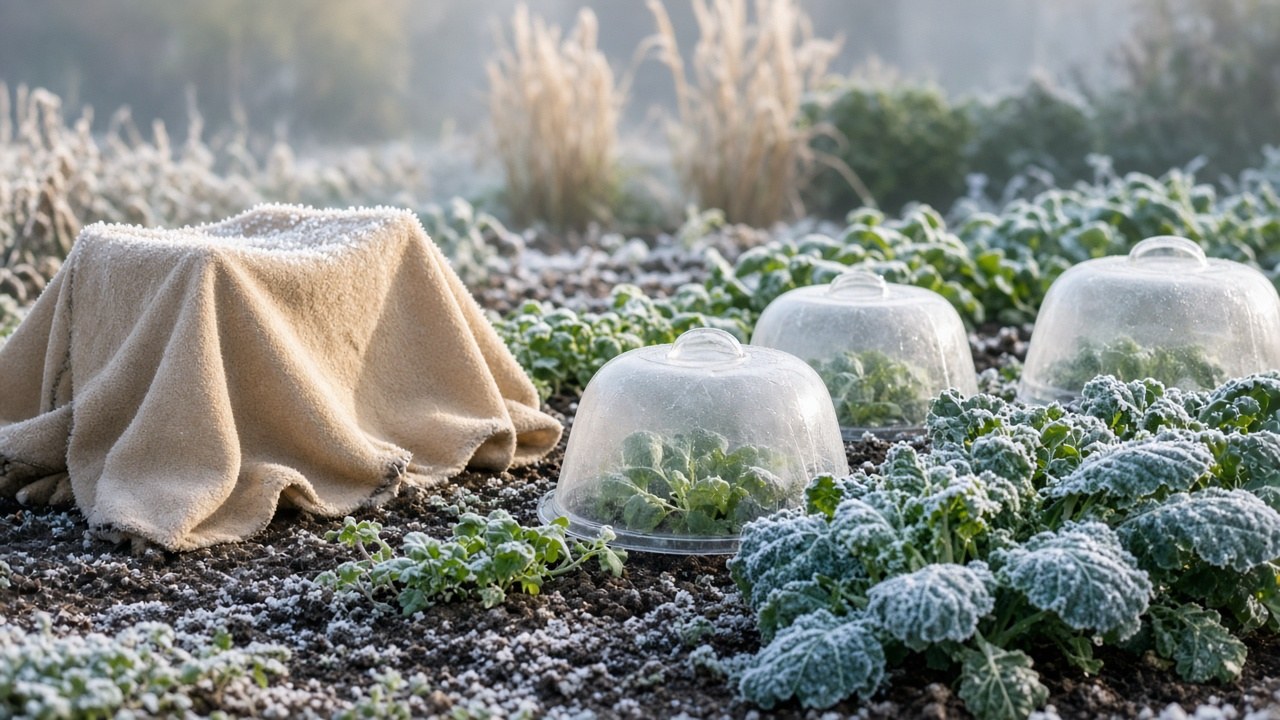
Frost arrives without warning in many climates, turning healthy garden plants into blackened, wilted casualties overnight. A light frost can damage tender annuals and tropical plants, while a hard freeze threatens even established perennials, shrubs, and cold-sensitive vegetables. Understanding which plants need protection, when frost threatens, and how to shield vulnerable plants can mean the difference between losing your garden and carrying it through to spring. Here are five proven methods to protect plants from frost damage.
Understanding Frost And Which Plants Need Protection
Not all plants respond to cold the same way—knowing the difference helps you prioritize protection efforts.
Frost vs freeze:
Light frost (32-36°F / 0-2°C):
- Thin ice crystals form on leaf surfaces
- Damages tender growth and frost-sensitive plants
- Usually doesn’t penetrate soil deeply
- Occurs on clear, calm nights with light dew
Hard frost/freeze (28-32°F / -2 to 0°C):
- Ice forms inside plant cells
- Damages even semi-hardy plants
- Can kill roots of tender perennials
- Occurs with longer cold periods
Hard freeze (below 28°F / -2°C):
- Severe damage to most unprotected plants
- Threatens hardy perennials and woody plants
- Ground freezes; roots at risk
- Requires serious protection measures
Tender plants (frost-sensitive):
These plants suffer damage at or just below 32°F (0°C).
Tropical and subtropical plants:
- Hibiscus, bougainvillea, citrus
- Banana, ginger, elephant ear
- Most palms (except cold-hardy varieties)
- Ferns (except hardy types)
Warm-season vegetables:
- Tomatoes, peppers, eggplant
- Cucumbers, squash, melons
- Beans (both bush and pole varieties)
- Sweet potatoes, okra
Tender annuals:
- Impatiens, begonias, coleus
- Petunias, marigolds, zinnias
- Caladiums, cannas
Succulents and cacti:
- Most non-desert succulents
- Jade plants, echeveria, aeonium
- Christmas and Thanksgiving cacti
- (Desert cacti tolerate cold better but still vulnerable to freezing)
Semi-hardy plants (tolerate light frost):
Can survive brief exposure to 28-32°F (-2 to 0°C).
Cool-season vegetables:
- Lettuce, spinach, arugula
- Broccoli, cauliflower, cabbage
- Kale, collards, Brussels sprouts
- Peas, carrots, beets
- (Flavor actually improves after light frost for many of these)
Hardy annuals:
- Pansies, violas, snapdragons
- Calendula, sweet alyssum
- Dianthus, ornamental kale
Many perennials in active growth:
- New spring growth is tender even on hardy plants
- Hostas, daylilies (emerging shoots vulnerable)
- Roses (new growth at risk)
Hardy plants (frost-tolerant):
Withstand hard freezes once dormant.
Established woody plants:
- Most deciduous trees and shrubs
- Evergreen conifers
- Hardy roses (once dormant)
- Native shrubs adapted to your zone
Dormant perennials:
- Peonies, daylilies, irises
- Sedum, coneflowers, black-eyed Susans
- Ornamental grasses
- (Above-ground growth may die back; roots survive)
Winter vegetables:
- Garlic (planted in fall)
- Overwintered onions
- Winter wheat, rye cover crops
When protection is still needed for hardy plants:
- During unseasonable early fall frosts (plants not yet dormant)
- Late spring frosts (new growth emerging)
- Newly planted specimens (roots not established)
- Container plants (roots more exposed to cold)
Trick 1: Use Frost Blankets And Row Covers
Lightweight fabric covers provide 4-8°F of frost protection while allowing light and water through.
Types of frost protection fabric:
Spunbonded polypropylene (floating row cover):
- Weight: 0.5 oz to 2 oz per square yard
- Protection: Light weights protect to 28°F; heavy weights to 24°F
- Benefits:
- Breathable (moisture escapes; no condensation)
- Reusable for multiple seasons
- Can remain on plants for days or weeks
- Allows 70-85% light transmission
- Brands: Reemay, Agribon, Frost-Guard
Frost blankets:
- Material: Thicker woven or quilted fabric
- Protection: 4-8°F warmer than ambient temperature
- Benefits:
- More insulation than row covers
- Reusable
- Some types allow rain through
- Use: Drape over plants on cold nights; remove in morning
How to use frost blankets correctly:
Application method:
-
Install supports first (prevent fabric from touching foliage):
- Use hoops, stakes, tomato cages, or plant supports
- Fabric touching wet leaves can conduct cold and cause damage
- Creates air space for insulation
-
Drape fabric over supports:
- Cover entire plant from top to ground
- Extend fabric past plant base (traps warm soil heat)
- No gaps at top or sides
-
Secure edges to ground:
- Use landscape pins, stones, bricks, or soil
- Weight all edges completely (cold air sinks and seeps in through gaps)
- Anchor firmly (wind can rip covers off)
-
Apply in late afternoon:
- Before temperatures drop
- While soil is still warm from day’s sun
- Trapped soil heat helps protect plants
-
Remove in morning (for lightweight covers):
- After frost melts
- When temperatures rise above 40°F (4°C)
- Prevents overheating on sunny days
- Heavy-weight covers can remain longer for extended cold periods
Tips for best results:
- Water plants before covering (moist soil holds more heat than dry soil)
- Keep covers dry on top if possible (wet fabric loses insulating value)
- Use clothes pins or clips to secure fabric to supports
- Label covers (know which weight you’re using)
- Store clean and dry at season’s end
Pros:
- Lightweight and easy to handle
- Reusable for years with proper care
- Can cover large areas or entire rows
- Doesn’t require removal daily (light-weight versions)
- Allows light, air, and water through
Cons:
- Must be anchored securely (wind can blow them off)
- Touching wet foliage can transfer cold
- Heavier versions reduce light transmission
- Initial investment ($20-60 per 10x20 ft cover)
Trick 2: Cover Plants With Cloches And Containers
Individual plant covers trap heat around single plants for intensive protection.
Types of cloches:
Traditional glass or plastic cloches:
- Design: Bell-shaped covers for individual plants
- Material: Glass, clear plastic, or rigid PVC
- Protection: 5-10°F warmer than outside air
- Best for: Seedlings, small vegetable plants, tender perennials
- Size: 6 inches to 18 inches diameter
Wall-O-Water:
- Design: Circular plastic tubes filled with water surround plant
- Mechanism: Water absorbs heat during day; releases at night
- Protection: Up to 15-20°F protection
- Best for: Tomatoes, peppers in early spring
- Setup: Fill tubes with water; arrange around plant base
DIY cloches:
- Milk jugs: Cut bottom off gallon jug; place over plant; remove cap for ventilation
- 2-liter bottles: Same method as milk jugs; good for smaller plants
- 5-gallon buckets: Invert over larger plants; place rock on top
- Large pots: Upside-down terracotta or plastic pots
- Cardboard boxes: Emergency protection; not reusable after rain
How to use cloches effectively:
Installation:
-
Place over plant in late afternoon:
- Before cold arrives
- Push edges into soil (creates seal)
- Weight if needed (wind protection)
-
Ventilate during day:
- Remove cap or prop up one side for air circulation
- Prevents overheating on sunny days
- Especially critical for rigid covers
-
Remove or ventilate in morning:
- After frost danger passes
- When temperatures exceed 40-45°F (4-7°C)
- Prevents cooking plants inside hot covers
Improving cloche performance:
- Add insulation: Wrap burlap or row cover over cloche for extreme cold
- Anchor firmly: Wind can flip or blow away cloches
- Create air space: Cloche shouldn’t touch foliage
- Use stones or bricks around base to seal and stabilize
- Monitor temperature: Check inside cloches on sunny days (can exceed 90°F even when outside is 50°F)
Plants best suited for cloche protection:
Small plants:
- Individual lettuce, spinach, or herb plants
- Newly transplanted seedlings
- Strawberry plants
- Small perennials emerging in spring
Short vegetable plants:
- Bush beans (early planting)
- Peppers and eggplants (until they grow taller)
- Early-season tomatoes (use large cloches or Wall-O-Water)
Pros:
- Excellent protection for individual plants
- Can extend season by 2-4 weeks
- Reusable (except DIY cardboard versions)
- Good for spot protection of high-value plants
- Many DIY options are free
Cons:
- Impractical for large numbers of plants
- Must be removed or vented daily (overheating risk)
- Bulky to store
- Wind can blow them away
- Limited to small plants
Trick 3: Mulch Heavily Around Roots And Crown
Thick mulch insulates soil and protects root systems from freezing.
Why mulch protects plants:
Insulation effect:
- Slows heat loss from soil
- Prevents rapid temperature swings
- Keeps roots warmer than uncovered soil
- Maintains more consistent soil temperature
Freeze protection:
- 4-6 inches of mulch can prevent soil freezing down to 20°F (-7°C)
- Protects crowns of herbaceous perennials
- Keeps bulbs and root vegetables insulated
- Reduces frost heaving (freeze-thaw cycles that push roots out of soil)
Best mulches for frost protection:
Organic mulches (most effective):
- Straw or hay: Excellent insulation; airy structure traps heat; 6-8 inches deep
- Shredded leaves: Free and effective; 4-6 inches deep; tends to mat (fluff occasionally)
- Pine needles: Good for acid-loving plants; doesn’t compact; 4-6 inches
- Wood chips or bark: Moderate insulation; use 3-4 inches; best for permanent plantings
- Compost: Provides some insulation plus nutrients; 2-3 inches
Avoid these for winter protection:
- Fresh grass clippings: Mat down and rot; poor insulation
- Wet leaves: Pack tightly and exclude air; can smother plants
- Rock or gravel: Absorbs cold and conducts it to soil; offers no insulation
How to mulch for frost protection:
Perennials and cold-sensitive plants:
-
Wait until after first hard frost:
- Ground should be cold (but not yet frozen)
- Waiting prevents rodents from nesting in mulch while it’s still warm
- Usually late October to November in temperate zones
-
Cut back dead foliage (optional):
- Some gardeners leave foliage for added protection
- Others cut back to prevent disease harboring
-
Apply 4-6 inches of loose mulch:
- Cover crown and root zone
- Don’t pack down (air pockets provide insulation)
- Extend mulch to drip line of plant
-
For marginally hardy plants:
- Add 8-12 inches over crown
- Create cone or mound over plant center
- Consider adding evergreen boughs on top (extra protection)
Fall vegetable gardens:
-
Mulch between rows and around plants:
- Keeps soil warmer
- Extends harvest season
- Reduces frost penetration into soil
-
Thickness: 3-4 inches for most vegetables
- More for root vegetables you’re overwintering
-
Pull back in spring:
- When plants begin active growth
- Prevents rot and allows soil to warm
Container plants:
- Mulch surface of potting mix (2-3 inches)
- Wrap pots in bubble wrap or burlap for added root protection
- Group pots together (shared heat)
- Move against house wall (warmer microclimate)
Roses:
- Stop fertilizing 6 weeks before first frost (promotes dormancy)
- After several hard frosts, mound mulch 10-12 inches high around base
- In very cold zones (Zone 5 and colder), add rose cones or wrap canes
For more guidance on timing and techniques for fall garden preparation, see our fall vegetable garden planting guide.
Pros:
- Protects roots and crowns (most critical plant parts)
- Inexpensive or free (especially shredded leaves)
- Also suppresses weeds and retains moisture
- Works for large plantings
- Once applied, no daily maintenance
Cons:
- Doesn’t protect above-ground growth
- Can harbor rodents if applied too early
- Must be removed or pulled back in spring
- Heavy or wet mulches can smother plants
- Labor-intensive for large areas
Trick 4: Water Before A Frost
Moist soil holds and releases more heat than dry soil, creating a warmer microclimate.
Why watering helps:
Thermal mass of water:
- Water holds heat much better than air or dry soil
- Moist soil can be 2-5°F warmer than dry soil during frost
- As water in soil freezes, it releases latent heat (warms surrounding area)
- Wet plant cells are also less prone to ice crystal damage
Best conditions for this method:
- Clear, calm nights (radiation frost)
- Not windy (wind strips heat faster than watering can replace it)
- Soil is dry or only slightly moist
- Not practical during prolonged freezes
How to water for frost protection:
Timing:
-
Water in late afternoon or early evening:
- 2-4 hours before frost expected
- Gives water time to soak in
- Soil absorbs solar warmth during day; water helps retain it
-
Don’t water frozen ground:
- Water can’t penetrate frozen soil
- Won’t reach roots
- Creates ice layer on surface (makes cold worse)
Application method:
-
Water soil thoroughly:
- Soak to 6-8 inches deep
- Don’t just sprinkle surface
- Deep watering stores more heat
-
Avoid wetting foliage:
- Wet leaves freeze faster
- Ice on leaves causes more damage
- Water at base only
-
Focus on root zones:
- Water around drip line
- Entire root zone benefits from thermal mass
Plants that benefit most:
- Newly transplanted seedlings (vulnerable roots)
- Container plants (soil dries faster; less thermal mass)
- Vegetables in active growth
- Strawberries (especially during bloom)
- Tender perennials
Combining watering with other methods:
- Water soil, THEN apply row covers or mulch
- Moist soil + insulation = maximum protection
- More effective than either method alone
Pros:
- Quick and easy if you’re already watering regularly
- Provides 2-5°F of protection
- Benefits soil moisture for plant health
- No materials or equipment needed
- Effective for small temperature drops
Cons:
- Only effective for light frosts
- Doesn’t work in windy conditions
- Ineffective for hard freezes
- Can’t use if soil already saturated
- Not practical for large areas
- Frozen ground makes watering impossible
Trick 5: Create Warm Microclimates And Use Timing Strategies
Strategic placement and timing reduce frost exposure without daily covering.
Identifying and using warm microclimates:
Warmer spots in your garden:
- South-facing walls: Absorb heat during day; radiate at night; can be 5-10°F warmer
- Near buildings: Foundation heat leaks through walls
- Under eaves: Roof overhang traps heat and blocks radiational cooling
- Enclosed courtyards: Walls on multiple sides trap heat
- Evergreen windbreaks: Block cold winds; reduce wind chill
Colder spots to avoid:
- Low-lying areas: Cold air sinks and pools in valleys and depressions
- Exposed hilltops: Wind strips away warmth
- Open areas: No heat-absorbing structures nearby
- North-facing slopes: Receive less sunlight; stay colder longer
Planting timing strategies:
Delay fall frost damage:
-
Plant fall crops at right time:
- Count back from first expected frost date
- Give plants time to mature before hard freezes
- Example: Broccoli needs 55-75 days; plant in mid-July for October harvest in Zone 6
-
Succession plant:
- Plant new crops every 2-3 weeks
- Earlier plantings mature before frost
- Later plantings stay small enough to cover easily
Avoid late spring frost damage:
-
Wait to transplant tender plants:
- Check last frost date for your zone
- Wait 1-2 weeks after last frost date for tomatoes, peppers
- Soil temperature matters too (tomatoes need 60°F+ soil)
-
Harden off gradually:
- Acclimate transplants to outdoor conditions over 7-10 days
- Increases frost tolerance
- Prevents shock
Emergency heat sources:
For small high-value plantings:
- String lights (incandescent, not LED): Drape over plants under row cover; provides gentle heat
- Hot water jugs: Fill gallon jugs with hot water; place under row covers near plants
- Propane heaters: Last resort for commercial growers or large high-value gardens; fire hazard
NOT recommended:
- Open flames: Fire hazard
- Electrical space heaters outdoors: Dangerous around moisture; expensive; inefficient
Container plant strategies:
Move containers to protected areas:
- Against house wall (south or east side)
- Into garage, shed, or unheated porch for night
- Under porch roof or deck overhang
- Huddle containers together (shared heat)
Insulate container roots:
- Roots in pots are more vulnerable (exposed on all sides)
- Wrap pots in bubble wrap, burlap, or old blankets
- Set pots on wood pallets or foam (off cold ground)
- Mulch soil surface
Monitoring and forecasting:
Know when to protect:
-
Check frost forecasts:
- Local weather station predictions
- National Weather Service frost advisories
- Weather apps with hour-by-hour temps
-
Watch for frost conditions:
- Clear skies (clouds trap heat)
- Calm winds (wind prevents frost)
- Low humidity (dry air allows radiational cooling)
- Temperatures dropping below 40°F by sunset (likely to reach 32°F by morning)
-
Use a min-max thermometer:
- Records overnight low temperature
- Helps learn cold spots in your garden
- Better than relying on regional forecasts
Frost dates by zone (approximate):
- Zone 5: Last frost mid-May; first frost late September
- Zone 6: Last frost mid-April to early May; first frost mid-October
- Zone 7: Last frost mid-April; first frost late October
- Zone 8: Last frost early April; first frost early November
- Zone 9: Last frost late February; first frost mid-December
- (Dates vary within zones; learn your specific location’s microclimate)
Pros:
- One-time planting decisions (no nightly covering)
- Microclimates provide passive protection
- Timing strategies prevent problem in first place
- Container mobility gives flexibility
Cons:
- Requires planning ahead
- Limited warm microclimates in some gardens
- Can’t change planting location mid-season
- Still need backup plans for unexpected frosts
Combining Protection Methods For Maximum Results
The most effective frost protection uses multiple strategies together.
For vegetable gardens:
Cool-season crops (kale, lettuce, broccoli):
- Mulch between rows (retain soil warmth)
- Apply row covers on nights below 28°F (-2°C)
- Water soil if dry
- Result: Extended harvest through November or December
Warm-season crops (tomatoes, peppers) in fall:
- Stop fertilizing 3-4 weeks before first frost (reduces tender new growth)
- Water before frost
- Cover with blankets or tarps on frost nights
- Uncover in morning
- Result: Extra 2-4 weeks of harvest; tomatoes continue ripening
For ornamental gardens:
Marginally hardy perennials:
- Plant in warm microclimate (south wall, protected corner)
- Mulch heavily in late fall (6-8 inches)
- Add evergreen boughs over mulch (extra insulation)
- Leave in place until spring growth begins
- Result: Survival in zone colder than rated
Container plants (tender perennials, tropicals):
- Move containers to protected location (against house wall, under eaves)
- Group pots together
- Wrap pots with bubble wrap
- Cover plants with blankets on coldest nights
- OR move into garage or shed for winter
- Result: Plants survive winter for replanting next spring
What to do after frost damage occurs:
Assess damage:
- Wait several days (damage becomes apparent as tissue dies)
- Blackened, wilted, or mushy tissue is dead
- Brown or yellowed leaves may recover
Don’t prune immediately:
- Wait until spring to prune woody plants (dead tissue protects living tissue below)
- Remove dead annuals (they won’t recover)
- Cut back dead foliage on perennials in spring
Provide good care:
- Water if soil is dry
- Don’t fertilize until plants show new growth
- Damaged plants are more vulnerable to disease and pests
The Bottom Line
Frost protection requires understanding which plants are vulnerable and when to act. Tender tropicals, warm-season vegetables, and succulent plants suffer damage at or just below 32°F (0°C) and need protection whenever frost threatens. Semi-hardy plants like cool-season vegetables and hardy annuals tolerate light frosts but need protection from hard freezes. Hardy perennials and woody plants withstand freezing once dormant but are vulnerable during spring or fall when actively growing. Knowing your first and last frost dates and monitoring weather forecasts for frost conditions (clear skies, calm winds, temperatures dropping below 40°F at sunset) helps you prepare before damage occurs.
The most effective protection methods work by trapping heat around plants or insulating roots from cold. Frost blankets and row covers provide 4-8°F of protection and can stay in place for days, making them practical for protecting entire garden beds. Cloches give intensive protection for individual high-value plants but require daily ventilation to prevent overheating. Watering the soil before frost increases thermal mass and provides 2-5°F of protection on calm, clear nights. Heavy mulch (4-6 inches of straw or shredded leaves) insulates soil and protects roots and crowns of perennials, keeping soil warmer and preventing freeze-thaw cycles that damage plants.
Combining protection strategies gives better results than any single method. For fall vegetable gardens, mulching between rows, watering before frost, and covering with row covers on the coldest nights can extend harvest for weeks. For marginally hardy perennials, planting in a warm microclimate (south-facing wall), applying heavy winter mulch, and adding evergreen boughs can help plants survive a zone colder than their rating. The most reliable long-term strategy is choosing plants suited to your hardiness zone and planting tender crops after your last spring frost date, but with the right protection methods, you can push those boundaries and enjoy a longer growing season.