How to Prevent and Treat Iron Chlorosis in Trees and Shrubs
Yellowing leaves with green veins? Learn how to identify, prevent, and treat iron chlorosis in trees and shrubs with effective soil treatments and foliar sprays.
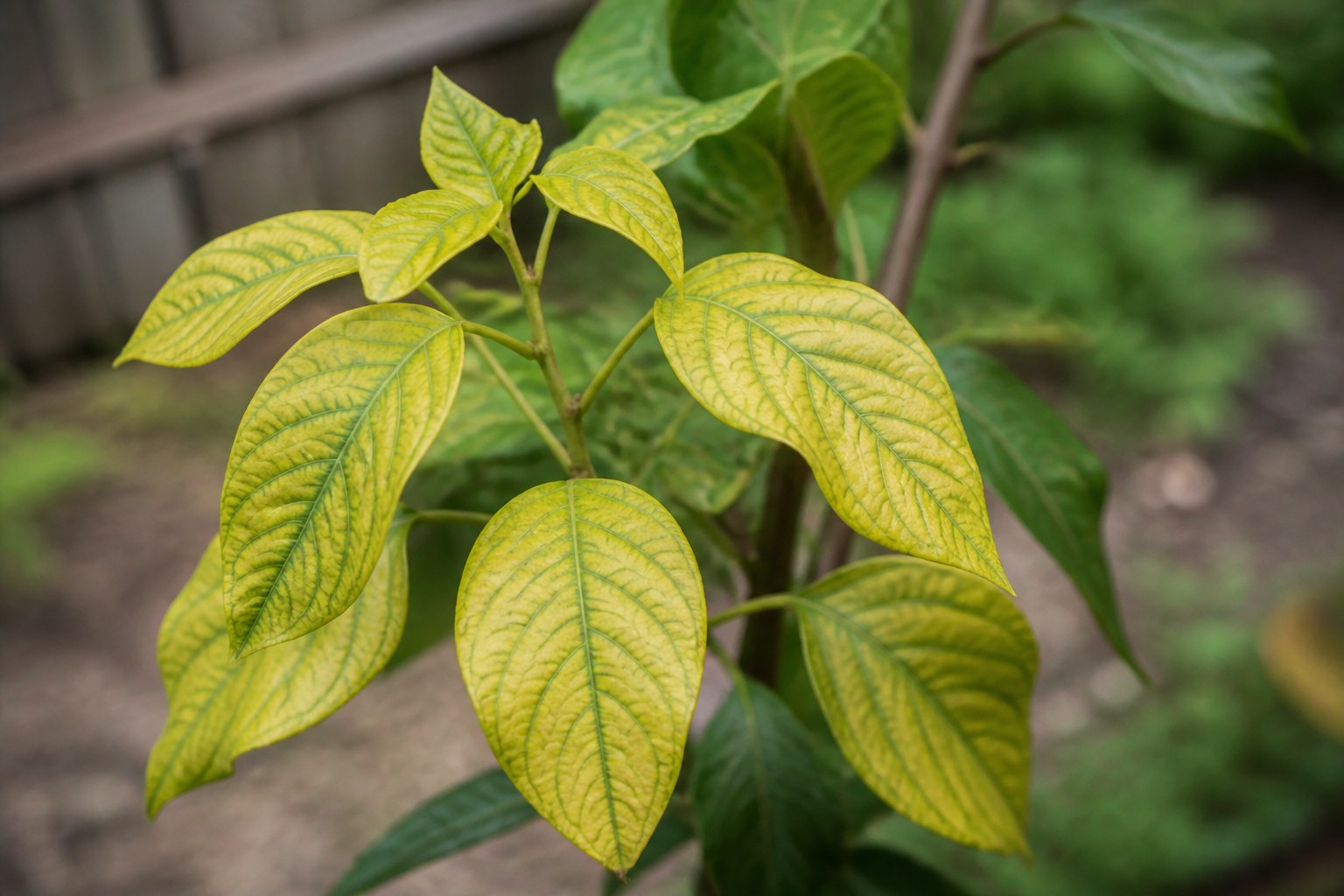
When leaves on your trees or shrubs turn yellow while the veins stay green, you’re witnessing iron chlorosis — a common nutrient deficiency that weakens plants and reduces their vigor. Here’s how to diagnose, treat, and prevent this condition.
What Is Iron Chlorosis?
Iron chlorosis is yellowing of plant tissue caused by insufficient iron availability. Despite iron being present in soil, plants can’t always absorb it — especially in alkaline conditions.
Key symptoms:
- Yellow leaves with dark green veins (interveinal chlorosis)
- New growth affected first
- Leaf edges may turn brown and crispy
- Stunted growth and reduced vigor
- In severe cases, entire leaves turn white
Most susceptible plants:
- Pin oak, red oak, white oak
- River birch, sweet gum
- Azaleas, rhododendrons
- Blueberries, raspberries
- Maples, dogwoods
Iron chlorosis typically appears in spring when new growth emerges, then may improve as the season progresses.
Why Plants Can’t Access Iron
Iron deficiency rarely means soil lacks iron. Instead, conditions prevent plants from absorbing available iron:
High Soil pH (Alkaline Soil)
Primary cause: When soil pH exceeds 7.0-7.5, iron becomes chemically bound and unavailable to plant roots.
Common in:
- Areas with limestone bedrock
- Regions with low rainfall
- Heavily watered alkaline-water areas
- Soils amended with lime or wood ash
Other Contributing Factors
Poor drainage:
- Waterlogged soil restricts oxygen
- Roots can’t function properly
- Iron absorption shuts down
Cold soil temperatures:
- Spring cold spells slow root activity
- Iron uptake temporarily stops
Root damage:
- Construction injury
- Compaction
- Disease or insect damage
Excessive phosphorus:
- Overfertilization with phosphorus
- Interferes with iron uptake
Diagnosing Iron Chlorosis
Before treating, confirm iron deficiency is the actual problem.
Test Your Soil pH
Essential first step: Purchase a soil test kit or send samples to your extension office.
Interpretation:
- pH 6.0-7.0: Ideal for most plants
- pH 7.0-7.5: Iron availability declines
- pH above 7.5: Iron chlorosis very likely
Cost: $10-30 for home kit; $15-25 for extension lab test
Rule Out Other Causes
Similar symptoms can indicate:
- Nitrogen deficiency (older leaves yellow first)
- Manganese or zinc deficiency
- Herbicide damage
- Root rot or vascular disease
- Overwatering
How to differentiate:
Iron chlorosis → New growth yellows first; veins stay dark green
Nitrogen deficiency → Older leaves yellow uniformly; entire leaf turns pale
If you’ve ruled out these alternatives and pH is above 7.0, iron chlorosis is the likely culprit.
Treatment Options
Choose treatments based on severity, plant type, and whether you need quick results or long-term correction.
Option 1: Soil Acidification with Iron Sulfate
Best for: Long-term correction; small to medium trees; shrubs
Materials needed:
- Iron sulfate (ferrous sulfate)
- Elemental sulfur
- Shovel or soil probe
Method:
- Mix equal parts iron sulfate and elemental sulfur
- Calculate amount: 2-5 pounds per inch of trunk diameter
- Apply in fall or early spring before growth starts
- Dig holes or trenches around drip line (outer edge of canopy)
- Holes: 12-18 inches deep, spaced 2-3 feet apart
- Place mixture in holes/trenches
- Fill with soil and water thoroughly
Why it works: Sulfur gradually lowers soil pH over several months. Iron sulfate provides immediately available iron while sulfur acidifies soil for long-term absorption.
Duration: Effects last 2-4 years
Pros:
- Long-lasting solution
- Addresses root cause (pH)
- Relatively inexpensive ($20-40 per large tree)
Cons:
- Results take 4-8 weeks
- Requires digging
- May need reapplication every few years
Option 2: Iron Chelate Application
Best for: Quick correction; severe deficiency; annual application acceptable
Materials needed:
- Iron chelate containing FeEDDHA (effective in alkaline soil)
- Watering can or sprayer
Method:
- Purchase FeEDDHA chelate (essential for pH above 7.0)
- Follow label rates (typically 1-6 ounces per inch of trunk diameter)
- Apply in spring before or during growth flush
- Sprinkle dry chelate on soil surface around drip line
- Water in thoroughly, OR
- Dissolve in water and drench soil
Why it works: Chelate is a synthetic compound that keeps iron in soluble form even in alkaline soil. Roots can absorb it immediately.
Duration: Effects last one growing season (annual reapplication needed)
Pros:
- Fast results (2-4 weeks)
- No digging required
- Works in high pH soil
Cons:
- More expensive ($30-60 per tree annually)
- Temporary solution
- Must use correct chelate type (FeEDDHA)
Warning: FeEDTA and FeEDDHMA chelates don’t work well above pH 7.0. Always choose FeEDDHA for alkaline soils.
Option 3: Foliar Spray
Best for: Emergency treatment; quick visible response; supplement to soil treatments
Materials needed:
- Ferrous sulfate (iron sulfate)
- Liquid dish soap
- Pump sprayer
Recipe:
- Dissolve 3 ounces ferrous sulfate in 3 gallons water (0.5% solution)
- Add 1 teaspoon liquid dish soap to help adhesion
- Stir thoroughly
Application:
- Apply in early evening or on cloudy day (prevents leaf burn)
- Spray leaf surfaces until dripping (top and bottom)
- Focus on yellow foliage
- Repeat every 10-14 days until green up occurs
Why it works: Leaves absorb iron directly, bypassing soil pH problems. Provides rapid but temporary relief.
Duration: Greening visible in 3-7 days; lasts 2-4 weeks
Pros:
- Fastest results
- Inexpensive ($5-10 per treatment)
- Visible proof of iron deficiency
Cons:
- Extremely temporary
- Only treats symptoms, not cause
- Requires multiple applications
- May stain concrete/siding
Best use: Emergency treatment while waiting for soil treatments to take effect.
Prevention Strategies
Plant acid-loving species wisely:
- Test soil before planting
- Choose plants suited to your native pH
- Avoid planting pin oaks in alkaline soil
Amend soil at planting time:
- Mix sulfur into backfill soil
- Incorporate peat moss or compost
- Creates acidic root zone for new plants
Improve drainage:
- Avoid overwatering
- Install drainage if needed
- Don’t plant in low, wet areas
Mulch properly:
- Use acidic mulches (pine needles, oak leaves)
- Maintain 2-4 inch layer
- Helps moderate soil pH over time
Avoid excess phosphorus:
- Don’t over-fertilize
- Use balanced fertilizers
- Test soil before adding amendments
Consider trunk injection (professional option):
- Arborist injects iron directly into trunk
- Effective for 1-3 years
- More expensive but very effective for large trees
Combining Treatments
For severe chlorosis, use a multi-pronged approach:
Immediate: Foliar spray for quick greening
Short-term: Iron chelate application for current season
Long-term: Soil acidification with iron sulfate + sulfur for permanent correction
This strategy addresses the problem now while correcting the underlying soil pH issue for future seasons.
When to Treat
Best timing:
- Fall: Ideal for soil treatments (sulfur + iron sulfate)
- Early spring: Apply chelates before growth flush
- Late spring: Use foliar sprays on actively growing foliage
Avoid treating:
- During extreme heat (foliar sprays cause leaf burn)
- Mid-to-late summer (limited benefit)
- When plants are drought-stressed
Managing Expectations
Realistic outcomes:
- Foliar sprays: Greening in days, but temporary
- Chelates: Improvement in 2-4 weeks, lasts one season
- Soil acidification: Gradual improvement over 1-2 months, lasts years
Limitations:
- Already-damaged leaves won’t turn green again
- New growth should emerge healthy
- Very high pH (above 8.0) may resist treatment
- Severely affected trees may not fully recover
Is It Worth Treating?
Treat when:
- Chlorosis is moderate to severe
- Plant is valuable (specimen tree, fruiting plant)
- Condition worsens each year
Skip treatment when:
- Only minor yellowing on small portion
- Plant otherwise healthy and vigorous
- You’re willing to replace with pH-adapted species
Consider replacement if:
- Tree is severely stunted after repeated treatments
- Soil pH above 8.0 and won’t budge
- Native soil fundamentally unsuited to plant species
Sometimes the best long-term solution is replacing acid-loving plants with alkaline-tolerant species.
Common Mistakes to Avoid
Using FeEDTA chelates in alkaline soil → Won’t work above pH 7.0
Applying too much iron → Can cause toxicity in other plants nearby
Treating without pH test → May treat wrong problem
Expecting damaged leaves to green up → Only new growth recovers
Using foliar spray as sole treatment → Effect too temporary
Applying foliar spray in full sun → Burns leaves
Related Problems
Iron chlorosis often occurs alongside:
- Manganese deficiency: Similar symptoms on different species
- Chlorine toxicity: From softened water irrigation
- Zinc deficiency: Smaller leaves, shortened shoots
If iron treatments don’t help, test for these other micronutrient imbalances.
The Bottom Line
Iron chlorosis is manageable once you understand the cause. Test your soil pH first, then choose treatments based on severity and how long you need them to last. Foliar sprays provide quick relief, chelates work for the season, and soil acidification offers years of protection.
For related plant health issues and organic solutions, see our guide on common garden pests and plant problems.
Most importantly, match plants to your soil. If you’re constantly fighting high pH, consider switching to alkaline-loving species rather than endlessly treating acid-lovers. Sometimes the best garden solution is working with your soil, not against it.