Effective Tips & Tricks to Protect Your Orchids from Mealybugs
Keep mealybugs off your orchids with targeted treatment and prevention methods. Learn specialized techniques for protecting these delicate plants from infestation.
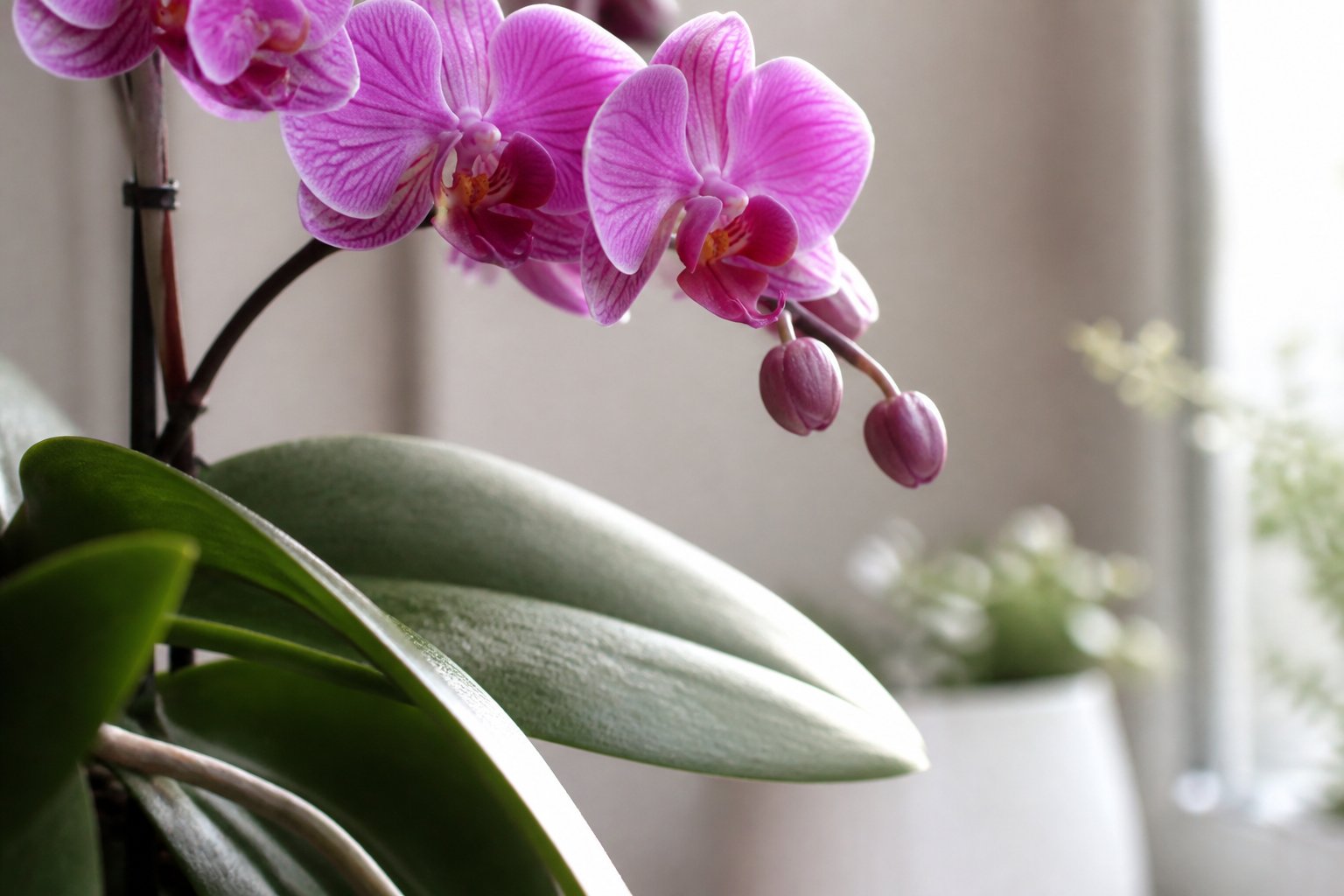
Those tiny white fuzzy insects clustered on your orchid’s leaves, stems, and roots — mealybugs. They’re especially problematic on orchids because they hide in tight spaces between leaves and pseudobulbs, multiply rapidly, and can kill your plant if left unchecked. Here’s how to eliminate them and protect your orchids long-term.
Why Mealybugs Love Orchids
Orchids provide ideal conditions for mealybug infestations.
What makes orchids vulnerable:
- Numerous crevices between leaves and stems (perfect hiding spots)
- Overlapping leaves and pseudobulbs create protected areas
- Tender new growth is easy to penetrate
- Root systems in bark medium harbor hidden populations
- High humidity environments orchids prefer also favor mealybugs
- Complex structure makes thorough inspection difficult
Common orchid mealybug species:
- Long-tailed mealybug (Pseudococcus longispinus) — has long waxy filaments
- Citrus mealybug (Planococcus citri) — oval, no long tails
- Root mealybugs (Rhizoecus spp.) — live in potting medium, feed on roots
Signs of mealybug infestation:
- White cottony masses in leaf axils (where leaf meets stem)
- Fuzzy clusters on undersides of leaves
- Sticky honeydew on leaves and surfaces below
- Sooty mold (black fungus growing on honeydew)
- Distorted or yellowing new growth
- Weakened plant, buds dropping
- White powder-like coating on roots (root mealybugs)
Early Detection: The First Line of Defense
Catching mealybugs early is critical for orchids.
Where to look:
- Leaf axils — where leaves emerge from pseudobulbs or stem
- Undersides of leaves — especially along central vein
- New growth — tender shoots and developing flower spikes
- Pseudobulb crevices — between overlapping bulbs
- Base of plant — where pseudobulbs meet potting medium
- Roots — especially in bark pieces and on aerial roots
- Drainage holes — sometimes visible on outside of pot
Inspection routine:
- Check orchids weekly during routine watering
- Use magnifying glass for early detection (crawlers are tiny)
- Look for honeydew or ants (indicators of hidden infestation)
- Inspect new orchids thoroughly before adding to collection
- Check after bringing orchids in from summer outdoors
Early intervention: One or two mealybugs spotted early can be dabbed with alcohol — problem solved. Hundreds discovered weeks later require intensive treatment.
Treatment 1: Rubbing Alcohol (First Response)
The fastest way to kill mealybugs on contact without harming most orchids.
Why alcohol works for orchids: Quick knockdown, evaporates rapidly, minimal residue on sensitive flowers
Application for orchids:
Cotton swab method (best for spot treatment):
- Dip swab in 70% isopropyl alcohol
- Dab directly onto each visible mealybug
- Check every leaf axil, under leaves, around pseudobulbs
- Pay special attention to new growth
- Inspect flower spikes and buds carefully
- Check aerial roots and bark surface
Spray method (for heavier infestation):
- Test on one leaf first (wait 24 hours)
- Move orchid to sink or shower
- Spray 70% rubbing alcohol on all plant parts
- Focus on hidden areas and crevices
- Let sit 10 minutes
- Rinse gently with lukewarm water
- Let plant dry in shade (not direct sun)
Treatment schedule:
- Daily spot-checking for first week
- Re-treat every 3-4 days for 3 weeks
- Catches newly hatched crawlers before they mature
Orchid-specific cautions:
- Avoid alcohol on flowers (can cause spotting)
- Some orchids sensitive to alcohol (Phalaenopsis generally fine; test first on others)
- Don’t treat stressed or dehydrated plants
- Keep out of direct sunlight until completely dry
Treatment 2: Insecticidal Soap (Gentle Control)
Safe for most orchids when used correctly.
Why soap works: Breaks down waxy coating, penetrates soft bodies, minimal plant stress
Orchid-safe recipe:
- 1 teaspoon pure castile soap (NOT detergent)
- 1 liter lukewarm water
- Mix gently
Application method:
- Prepare orchid: Move to sink or shower
- Drench thoroughly: Spray entire plant, especially hidden areas
- Use soft brush: Gently scrub pseudobulbs, leaf bases with soft toothbrush
- Soak roots: For root mealybugs, submerge entire root mass 10 minutes
- Rinse completely: Wash soap off with clean lukewarm water (very important)
- Drain well: Let excess water drain from crown and leaf axils
- Air dry: Place in shade with good air circulation
Treatment frequency:
- Repeat every 3-4 days for first two weeks
- Then weekly for 2 more weeks
- Monthly as preventive after elimination
Orchid-specific tips:
- Rinse more thoroughly than other houseplants (orchids sensitive to soap residue)
- Avoid soaking plants in soap water (rinse method only)
- Don’t treat blooming orchids (soap can damage flowers)
- Ensure crown drains completely (prevents crown rot)
Treatment 3: Neem Oil (Long-Lasting Protection)
Provides residual protection that’s especially valuable for orchids.
Benefits for orchids:
- Systemic action (some absorption)
- Disrupts mealybug reproduction
- Protects for 7-14 days between applications
- Controls other orchid pests (scale, thrips, spider mites)
Orchid-safe neem solution:
- 1 teaspoon pure neem oil
- 1/2 teaspoon mild soap
- 1 liter lukewarm water
- Mix thoroughly, shake before use
Application for orchids:
- Timing: Apply in evening or early morning (never in direct sun)
- Temperature: Below 80°F (27°C) — heat + oil = leaf burn
- Spray thoroughly: Cover all surfaces including undersides
- Focus on crevices: Use cotton swab dipped in neem for tight spots
- Treat roots: Drench bark medium lightly
- Air circulation: Ensure good airflow while drying
- Avoid flowers: Keep neem off blooms (can cause spotting/damage)
Treatment schedule:
- Apply every 7 days for 4 weeks
- Then every 14 days for 2 months (preventive)
- Reapply after 21 days during active growing season
Important for orchids:
- Some orchids sensitive to oils (test first on Dendrobiums, Paphiopedilums)
- Never treat dehydrated orchids
- Neem can clog leaf pores — rinse lightly after 12 hours if concerned
- Strong smell may be objectionable indoors (temporary)
Treatment 4: Repotting & Root Treatment
Essential when root mealybugs are present.
When to repot:
- Root mealybugs discovered
- Heavy infestation despite foliar treatment
- Potting medium breaking down
- Plant declining despite treatment
Complete root treatment protocol:
Materials needed:
- Fresh orchid bark or medium
- New or sterilized pot
- 70% rubbing alcohol or hydrogen peroxide solution
- Large basin for soaking
- Soft brush
- Pruning shears (sterilized)
Step-by-step process:
- Unpot orchid: Remove from pot, shake off loose medium
- Inspect roots: Look for white cottony masses, damaged roots
- Soak roots: Submerge entire root system in lukewarm water 15-20 minutes (loosens debris and drowns some mealybugs)
- Clean thoroughly: Gently wash all bark and debris from roots under running water
- Treat roots: Spray or dab roots with rubbing alcohol solution (1 part alcohol: 1 part water)
- Brush pseudobulbs: Use soft toothbrush to scrub base and crevices
- Trim damaged roots: Cut black, mushy, or heavily infested roots with sterile shears
- Let dry: Allow roots to air-dry 1-2 hours
- Sterilize pot: Wash pot in 10% bleach solution, rinse well
- Repot in fresh medium: Use new orchid bark (don’t reuse old medium)
- Final treatment: Spray entire plant with neem or insecticidal soap
- Isolate: Keep separate from other orchids 4-6 weeks
Post-repotting care:
- Wait 3-5 days before first watering (lets root cuts heal)
- Keep in shade for one week
- Resume normal care gradually
- Monitor weekly for 2 months
Treatment 5: Systemic Insecticides (Last Resort)
When natural methods fail on valuable orchids.
When to consider:
- Severe infestation not responding to organic treatments
- Root mealybugs throughout large collection
- Valuable or rare orchid you can’t risk losing
- Multiple treatment rounds (6+ weeks) have failed
Orchid-safe systemic options:
- Imidacloprid (Safari, Merit) — systemic, absorbed by roots
- Acephate (Orthene) — systemic, spray or drench
Application:
- Follow label directions precisely
- Apply as soil drench (taken up through roots)
- Don’t spray on flowers or buds
- May need 2-3 applications 10-14 days apart
- Move orchid outdoors if possible during treatment
Important safety notes:
- Harmful to bees and beneficial insects
- Keep pets and children away from treated plants
- Don’t use on orchids near food preparation areas
- Not organic — use only when necessary
Special Considerations for Different Orchid Types
Phalaenopsis (moth orchids):
- Most tolerant of treatments
- Check carefully under leaves and in crown
- Ensure water drains from crown (rot risk)
- Neem and soap generally safe
Cattleyas:
- Check between pseudobulbs (favorite hiding spot)
- Sheaths on new growth harbor mealybugs
- Remove old sheaths to eliminate hiding places
- Tolerate most treatments well
Dendrobiums:
- Canes have many nodes (hiding spots)
- Some sensitive to neem — test first
- Check carefully along entire length of canes
- Alcohol spray generally safe
Paphiopedilums (slipper orchids):
- No pseudobulbs but tightly overlapping leaves
- Very susceptible to root mealybugs
- More sensitive to treatments — test first
- Prefer soap over neem
Oncidiums:
- Numerous small pseudobulbs create hiding spots
- Fast growers — inspect new growth frequently
- Tolerate most treatments
- Check under old leaf bracts
Prevention: Keeping Mealybugs Off Orchids
New orchid quarantine protocol:
- Isolate all new orchids 4-6 weeks minimum
- Inspect thoroughly every 3-4 days during quarantine
- Look under leaves, in axils, in bark medium
- Consider preventive neem treatment
- Keep separate from collection until cleared
Monthly inspection routine:
- Check every orchid during watering
- Use magnifying glass on tight areas
- Look for early signs (sticky residue, ants)
- Wipe leaves with damp cloth (removes eggs, honeydew)
- Remove old sheaths and dead leaves (hiding spots)
Environmental management:
- Good air circulation (mealybugs prefer stagnant air)
- Appropriate spacing between orchids (prevents spread)
- Remove dropped flowers and leaves promptly
- Clean growing area regularly
- Sterilize tools between plants
Preventive treatments:
- Light neem oil spray monthly during growing season
- Insecticidal soap every 6 weeks as preventive
- Alcohol wipes on new growth weekly during high-risk periods
- Beneficial insects (for greenhouse collections)
When to Discard an Orchid
Sometimes elimination isn’t feasible:
Consider discarding if:
- Repeated treatment failures (3+ months)
- Severe root damage from root mealybugs
- Infestation spreading despite isolation
- Low-value orchid not worth extensive treatment
- Plant severely weakened and unlikely to recover
How to dispose safely:
- Seal entire plant (pot and all) in plastic bag
- Discard in trash (not compost)
- Sterilize nearby surfaces with alcohol
- Inspect neighboring orchids daily for 8 weeks
- Discard potting medium from nearby plants (may have crawlers)
Common Mistakes with Orchid Mealybug Treatment
Not checking roots: Root mealybugs reinfest treated foliage
Treating only visible insects: Eggs and crawlers in hidden spots survive
Stopping treatment too soon: Need 4-6 weeks minimum for complete elimination
Not isolating affected orchids: Mealybugs crawl to nearby plants
Treating blooming orchids: Flowers damaged by sprays — wait until bloom ends
Using too strong concentration: Orchids more sensitive than other houseplants
Poor rinsing after soap: Residue clogs leaf pores, causes damage
Treating stressed plants: Weakened orchids can’t tolerate treatment stress
For related houseplant pest control, see our mealybugs on houseplants guide.
The Bottom Line
Mealybugs on orchids require diligent, persistent treatment because of the plants’ complex structure and the pests’ hiding abilities. Start treatment at first sign, use multiple methods in combination, and continue for at least 4-6 weeks.
Rubbing alcohol provides immediate knockdown, insecticidal soap offers gentle control, and neem oil gives lasting protection. For root infestations, complete repotting is essential.
Most importantly, establish a prevention routine. Quarantine new orchids, inspect weekly, maintain good air circulation, and remove hiding spots. An ounce of prevention is worth pounds of cure — especially with orchids.
Catch mealybugs early, treat thoroughly, persist consistently, and your orchids will thrive pest-free.