How to Get Rid of Aphids on Plants: Complete Australian Guide
Eliminate aphids from your garden with proven organic and chemical methods. Learn to identify aphids, understand their lifecycle, and prevent future infestations naturally.
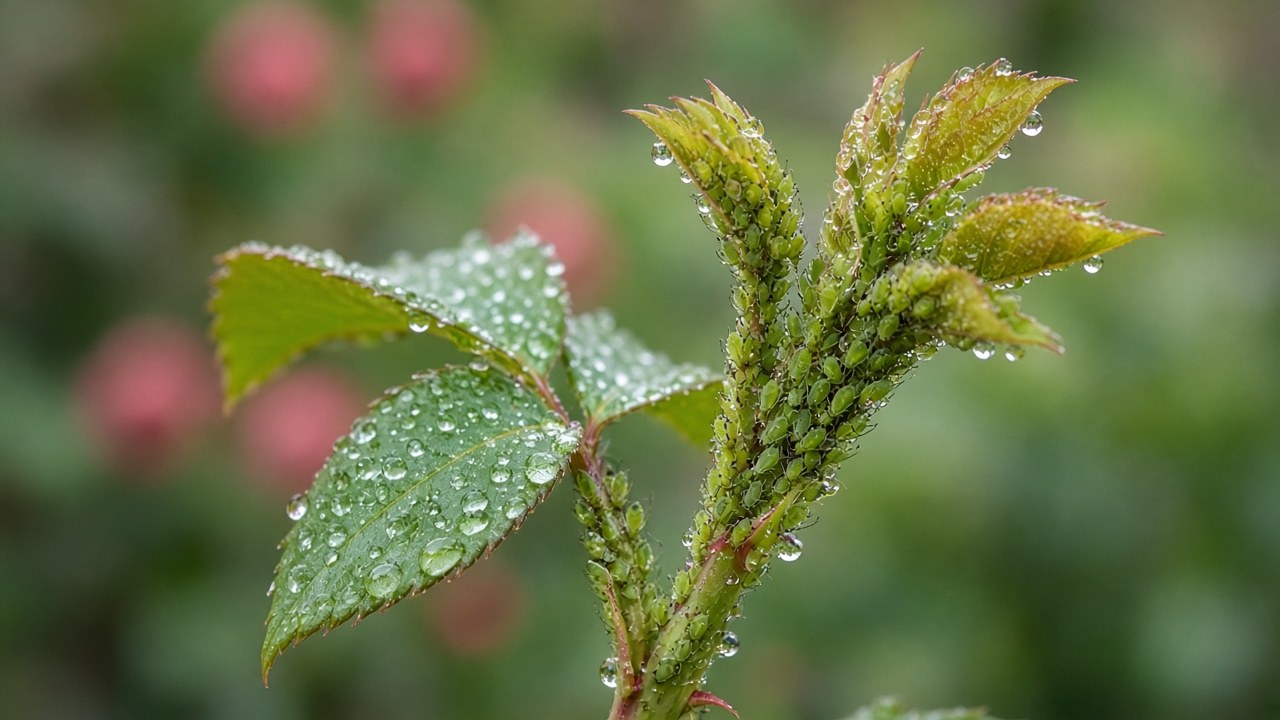
Aphids are one of the most common garden pests in Australia — tiny, soft-bodied insects that cluster on new growth and suck the life from your plants. The good news? Aphids are relatively easy to control once you understand their weaknesses and act quickly.
What Are Aphids?
Aphids are small sap-sucking insects (1-4mm long) that feed on plant tissue. They reproduce rapidly and can severely weaken plants if left unchecked. In Australian gardens, aphids are active year-round but peak in spring and autumn when conditions are mild.
Identifying aphids
Appearance:
- Size: Tiny (1-4mm), soft pear-shaped bodies
- Colour: Green, black, yellow, pink, brown, grey, or white depending on species
- Location: Clustered on new shoots, flower buds, and undersides of leaves
- Wings: Some aphids have wings (when colonies get crowded), most don’t
- Movement: Slow-moving or stationary
Common signs of aphid infestation:
- Sticky honeydew: Clear, sticky substance on leaves and surfaces below plants
- Sooty mould: Black fungal growth on honeydew-covered leaves
- Ants farming aphids: Ants protect aphids to harvest honeydew
- Distorted growth: Curled, twisted, or yellowing leaves on new growth
- Cast skins: Tiny white shed skins on leaves
Aphid lifecycle and reproduction
Understanding aphid reproduction explains why they explode so quickly:
Spring-summer cycle:
- Females born pregnant: Most aphids reproduce asexually — females give birth to live female nymphs (no males or eggs needed)
- Maturity in 7-10 days: Nymphs reach reproductive age within a week
- 50+ offspring per female: Each female produces dozens of daughters in her 20-30 day lifespan
- Exponential growth: One aphid can become thousands in a few weeks
Autumn cycle:
- In cooler months, some species produce winged aphids that fly to new hosts
- Sexual reproduction occurs in some species, producing eggs that overwinter
Why control is urgent: A small aphid cluster becomes a massive infestation in 2-3 weeks. Early intervention prevents exponential growth.
Quick Identification: Common Australian Aphid Species
Green peach aphid (Myzus persicae):
- Light green to yellowish
- Attacks vegetables, roses, stone fruit
- Most common in home gardens
Black aphid (Aphis fabae):
- Dark grey-black
- Loves beans, citrus, ornamentals
- Often found with ants
Cabbage aphid (Brevicoryne brassicae):
- Grey-green with waxy coating
- Targets brassicas (broccoli, cabbage, kale)
Rose aphid (Macrosiphum rosae):
- Pink to green
- Clusters on rose buds and new shoots
Citrus aphid (Toxoptera aurantii):
- Brown-black
- Attacks citrus and ornamentals
Organic Aphid Control Methods
Start with organic methods first. Most aphid infestations can be managed without synthetic pesticides.
1. Strong water spray
The simplest and most immediate solution.
Why it works: Aphids have weak grip and soft bodies. Strong water dislodges them from plants. Once on the ground, most aphids can’t climb back up or find their host plant again.
How to do it:
- Use garden hose with adjustable nozzle or strong jet setting
- Spray undersides of leaves and stems where aphids cluster
- Focus on new growth and flower buds
- Repeat daily for 3-4 days, then every 2-3 days for 2 weeks
Best for: Light to moderate infestations on sturdy plants (roses, vegetables, citrus)
Caution: Avoid on delicate seedlings or flowers that bruise easily
2. Insecticidal soap spray
Natural, contact-based control that kills on contact but leaves no residue.
Why it works: Soap breaks down aphids’ protective waxy coating, causing dehydration and death. It only works on direct contact — no residual protection.
Recipe:
- 1 tablespoon pure liquid castile soap or dish soap (no additives, fragrance, or moisturiser)
- 1 litre water
- Optional: 1 teaspoon vegetable oil (helps soap stick)
How to use:
- Mix thoroughly in spray bottle
- Test on small area first (some plants are soap-sensitive)
- Spray until dripping wet, covering all aphid clusters
- Apply early morning or late afternoon (avoid hot sun)
- Repeat every 4-5 days until aphids gone (usually 2-3 applications)
Best for: Most plants, especially edibles near harvest
Soap-sensitive plants: Avoid on ferns, Japanese maples, bleeding hearts, and some succulents. Always test first.
For a detailed guide on making your own insecticidal soap, see our homemade insecticidal soap recipe.
3. Neem oil spray
Organic broad-spectrum insecticide with some systemic action.
Why it works: Neem oil contains azadirachtin, which disrupts aphid feeding, reproduction, and moulting. It also suffocates aphids on contact.
How to use:
- Use cold-pressed neem oil (not cosmetic grade)
- Mix 1-2 tablespoons neem oil + 1 teaspoon liquid soap per litre water
- Shake well before spraying (oil separates)
- Thoroughly coat all plant surfaces
- Apply weekly for 3 weeks
Best for: Persistent infestations, prevention
Benefits over soap: Neem provides some residual protection and disrupts reproduction (not just contact kill)
Caution: Neem can burn sensitive plants in hot sun. Apply late afternoon. Test first.
4. Beneficial insects
Nature’s aphid control — predators that hunt aphids without harming plants.
Ladybeetles (ladybugs):
- Adults eat 50-60 aphids per day
- Larvae eat even more (up to 400 during development)
- Encourage by planting dill, fennel, yarrow, and avoiding broad-spectrum pesticides
Lacewings:
- Larvae (“aphid lions”) devour hundreds of aphids
- Adults feed on nectar and pollen
- Attract with flowering herbs and native plants
Hoverflies:
- Larvae consume aphids
- Adults pollinate flowers
- Encourage with flat-flowered plants (daisies, Queen Anne’s lace)
Parasitic wasps (Aphidius species):
- Tiny wasps lay eggs inside aphids
- Larvae consume aphid from inside
- Dead aphids become brown “mummies” (a good sign!)
How to encourage beneficials:
- Plant diverse flowering species (herbs, native plants, wildflowers)
- Avoid broad-spectrum insecticides (even organic ones kill beneficials)
- Provide water sources (shallow dishes with pebbles)
- Accept some aphids as food source for predators
- Purchase beneficial insects from garden suppliers (limited success — they often fly away)
Reality check: Beneficial insects work best as long-term prevention, not emergency control. For severe current infestations, combine with soap sprays or water.
5. Companion planting
Certain plants repel aphids or attract beneficial predators.
Aphid-repellent plants:
- Nasturtiums (trap crop — aphids prefer them to vegetables)
- Chives, garlic, onions (strong scent deters aphids)
- Marigolds (general pest repellent)
- Catnip (repels many pests including aphids)
Beneficial-attracting plants:
- Dill, fennel, coriander (attract ladybeetles and lacewings)
- Yarrow, tansy (attract predatory wasps)
- Alyssum, calendula (attract hoverflies)
Method: Interplant throughout vegetable beds and ornamental gardens. Companion planting works best as prevention, not cure.
When to Use Stronger Options
Organic methods control most aphid problems, but severe or persistent infestations may require stronger intervention.
Pyrethrin-based sprays
Natural insecticide derived from chrysanthemum flowers. Fast-acting contact kill.
When to consider:
- Severe infestations threatening plant survival
- Vegetables near harvest (short withholding period)
- When organic methods fail after 2-3 weeks
Benefits:
- Broad-spectrum (kills most soft-bodied pests)
- Breaks down quickly (low residual)
- Organic-approved in many systems
Limitations:
- Kills beneficial insects too
- No residual protection
- Multiple applications usually needed
Usage: Follow product label exactly. Apply late afternoon when bees inactive. Wear protective equipment.
Systemic insecticides
Chemical insecticides absorbed by plants and distributed through tissues. Aphids die when they feed.
When to consider:
- Persistent infestations on ornamentals (not edibles)
- Large trees or hard-to-reach plants
- When repeated organic treatments fail
Common active ingredients: Imidacloprid, acetamiprid (neonicotinoids)
Benefits:
- Long-lasting protection (weeks to months)
- Reaches aphids in hidden locations
- Single application
Major concerns:
- Harmful to bees and beneficial insects
- Cannot be used on edibles or flowering plants visited by pollinators
- Environmental persistence
Our recommendation: Reserve systemics for non-edible ornamentals as last resort only. Exhaust organic methods first.
Preventing Aphid Infestations
Prevention is easier than treatment. Healthy plants resist aphids better than stressed plants.
1. Monitor regularly
Inspect weekly: Check undersides of leaves, new growth, and flower buds. Catch aphids when colonies are small (dozens, not thousands).
Early intervention: Squash small clusters by hand or spray off with water immediately.
2. Promote plant health
Stressed plants attract aphids. Strong plants better tolerate light infestations.
Good practices:
- Water consistently (avoid drought stress)
- Mulch to retain soil moisture and moderate temperature
- Fertilise appropriately (avoid excess nitrogen which produces soft, aphid-attractive growth)
- Choose disease-resistant varieties
- Space plants properly for good airflow
For healthy soil that supports strong plants, see our composting guide.
3. Control ants
Ants “farm” aphids, protecting them from predators and moving them to new plants in exchange for honeydew.
Why it matters: Aphid infestations often persist because ants defend aphid colonies from ladybeetles and other predators.
Ant control methods:
- Apply sticky barrier tape around tree trunks and stems (prevents ants climbing)
- Use ant baits (kills ant colonies)
- Disrupt ant trails with water or diatomaceous earth
Result: Without ant protection, beneficial insects can access and control aphid populations naturally.
4. Remove heavily infested growth
Method: Prune and dispose of severely infested shoots, especially on woody plants (roses, fruit trees).
Why it works: Removes huge aphid populations instantly. New growth emerges aphid-free.
When to prune: Best for terminal infestations on branches you can spare. Don’t remove so much that you stress the plant.
5. Avoid excess nitrogen
High-nitrogen fertilisers promote soft, lush growth — exactly what aphids love.
Strategy: Use balanced or slow-release fertilisers. Avoid heavy nitrogen doses in spring when aphids peak.
Aphids on Specific Plant Types
Aphids on vegetables
Most susceptible: Brassicas (cabbage, broccoli, kale), lettuce, beans, tomatoes, capsicum
Control priority: Use organic methods only (soap, neem, water, beneficials)
Timing: Check daily during peak season (spring, autumn)
Key crops at risk:
- Tomatoes: Control aphids before viral diseases spread. See our tomato growing guide.
- Brassicas: Cabbage aphids hide in leaf crevices — spray thoroughly
For general vegetable garden pest management, see our vegetable garden beginner’s guide.
Aphids on roses
Species: Rose aphids cluster on buds and new shoots in spring
Control: Strong water spray works well on sturdy roses. Neem oil for persistent cases.
Prevention: Prune to open up rose center (improve airflow). Encourage ladybeetles.
Aphids on citrus
Species: Black citrus aphids on new growth, often with ants
Control: Soap spray + ant control. Avoid systemic pesticides (citrus flowers attract bees).
Timing: Monitor spring flush when new growth emerges.
Aphids on indoor plants
Challenge: No rain or beneficial insects indoors
Control:
- Isolate infested plant immediately (aphids spread fast indoors)
- Shower plant in sink or tub (strong spray)
- Soap spray if water doesn’t work
- Repeat weekly until clear
For indoor pest issues, you might also be dealing with fungus gnats if you see small flying insects.
Aphids vs Other Pests
Don’t confuse aphids with similar pests:
Scale insects: Hard or soft bumps on stems (don’t move). Require different treatment.
Whiteflies: Tiny white flying insects (not green/black clusters). Fly when disturbed.
Mealybugs: White cottony masses (not shiny). Harder to control than aphids.
Thrips: Tiny elongated insects (not pear-shaped). Cause silvery leaf damage.
For comprehensive garden pest identification, see our common garden pests guide.
What About Honeydew and Sooty Mould?
Honeydew: Sticky clear substance aphids excrete. It coats leaves, drips on surfaces below plants, and attracts ants.
Sooty mould: Black fungal growth that feeds on honeydew. Doesn’t directly harm plants but blocks light and looks terrible.
How to deal with it:
- Control aphids first (the source of honeydew)
- Wash off honeydew: Spray plants with water + drop of dish soap
- Sooty mould will fade: Once honeydew stops, mould dies back naturally over weeks
- No fungicides needed: Treat the aphids, not the mould
Timeline for Aphid Control
Week 1:
- Spray aphids off with water daily
- Apply soap spray every 4-5 days
- Control ants
- Monitor daily
Week 2:
- Continue water spray every 2-3 days
- Second soap or neem application mid-week
- Check for beneficial insects (don’t spray if predators present)
- Remove heavily infested growth
Week 3:
- Aphid numbers should drop significantly
- Reduce spray frequency
- Watch for new colonies
- Final neem application if needed
Week 4+:
- Weekly monitoring
- Spot-treat any new clusters immediately
- Encourage beneficials for long-term control
Reality check: Expect 2-3 weeks of consistent effort for severe infestations. Light infestations clear in days.
Aphid Control for Different Australian Climates
Temperate zones (Sydney, Melbourne, Adelaide, Perth):
- Peak aphid pressure: spring and autumn
- Beneficials active spring-summer
- Control window: Act fast in September-November and March-May
Subtropical zones (Brisbane, Gold Coast):
- Year-round aphid activity (mild winters)
- Continuous monitoring needed
- Beneficials active most of year
Tropical zones (Darwin, far north QLD):
- Wet season can reduce aphids (heavy rain)
- Dry season peak aphid time
- High humidity helps fungal pathogens that kill aphids naturally
Cool temperate (Canberra, Tasmania, alpine regions):
- Short aphid season (spring-summer only)
- Cold winters kill most aphids
- Focus prevention on spring flush
Related Garden Pests
Once aphids are under control, stay alert for related pests:
Tomato hornworms: Large green caterpillars that devour tomato plants. See our tomato hornworm control guide.
Fungus gnats: Tiny flies around houseplants. Different pest, different control. See our fungus gnat guide.
General pest management: For identification and control of common Australian garden pests, see our comprehensive garden pest pillar.
Final Thoughts
Aphids are frustrating but manageable. The key is early detection and consistent effort with organic methods — water spray, soap, and encouraging beneficial insects handle most infestations without chemicals.
Monitor your garden weekly, act quickly when you spot aphid clusters, and maintain plant health to reduce aphid attraction. With these practices, you’ll keep aphid populations low and your plants thriving throughout the growing season.